Key Takeaways:
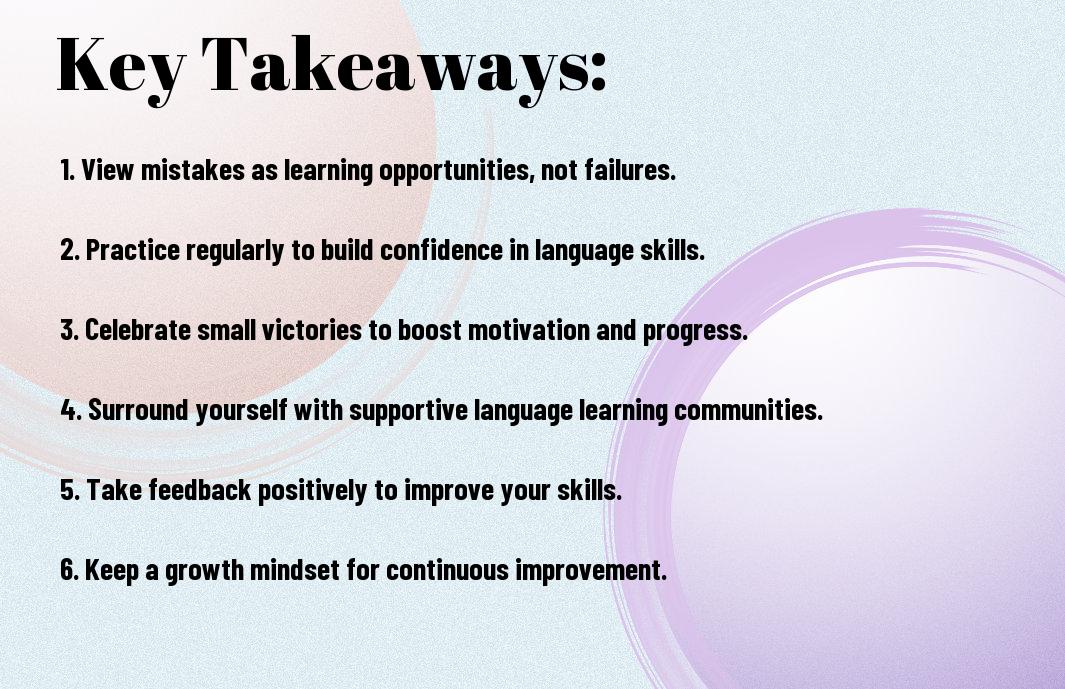
- Embracing mistakes is a natural part of the language learning process, and it’s necessary to view them as opportunities for growth and improvement.
- Practice and perseverance are key to overcoming the fear of making mistakes, and to developing a growth mindset that allows learners to take risks and try new things.
- By reframing mistakes as a normal and necessary part of the learning process, language learners can build confidence and develop a more positive attitude towards their language learning journey.
Embracing Mistakes as a Learning Opportunity
A key aspect of language learning is accepting that mistakes are an inevitable part of the journey. As you navigate the complexities of a new language, you will encounter numerous obstacles, but it is how you respond to these challenges that will ultimately determine your success.
Viewing Mistakes as a Natural Part of the Learning Process
Proceeding with the understanding that mistakes are a natural part of the learning process, you begin to see that errors are not failures, but rather stepping stones to improvement. You start to view your mistakes as opportunities to learn and grow, rather than as setbacks to be lamented.
Developing a Growth Mindset in Language Learning
Progressing through the language learning process, you come to realize that your abilities can be developed through dedication and hard work. You understand that your intelligence and language proficiency are not fixed traits, but rather skills that can be honed and improved over time.
Plus, as you adopt a growth mindset, you begin to approach challenges with confidence and enthusiasm, rather than fear and trepidation. You start to see that each mistake is a chance to learn and improve, and that your language skills are constantly evolving. This mindset allows you to stay motivated and engaged, even in the face of difficulties, and to make steady progress towards your language learning goals.
Overcoming Fear and Anxiety
Any language learner knows that fear and anxiety can be significant obstacles to progress. You can learn more about the benefits of embracing mistakes in language learning by reading The Magic of Mistakes in Language Learning | by Ashia Jade, which offers valuable insights into the process.
Recognizing the Sources of Fear and Anxiety in Language Learning
By acknowledging the sources of your fear and anxiety, you can begin to address them effectively, taking the first step towards a more confident and proficient language learning experience.
Building Confidence through Gradual Exposure to Challenges
About the most effective way to build confidence is through gradual exposure to challenges, allowing you to become comfortable with taking risks and making mistakes in a supportive environment.
Fear of making mistakes can hold you back from achieving your language learning goals, but by gradually exposing yourself to challenging situations, you will become more confident in your abilities, and your fear will slowly dissipate, making you a more proficient and self-assured language learner, capable of navigating complex conversations and interactions with ease, and you will find that your progress accelerates as you become more comfortable with the process of learning from your mistakes.
Learning from Errors
Now, as you navigate the complexities of language learning, you will inevitably encounter mistakes. These errors are an integral part of the learning process, and they provide valuable opportunities for growth and improvement.
Identifying Common Mistakes and Their Causes
Errors, in fact, are gateways to understanding your weaknesses and areas for development. By examining your mistakes, you can pinpoint the root causes and start working on correcting them, thus refining your language skills.
Using Mistakes as a Chance to Improve Language Skills
Skills, such as speaking, writing, and listening, can be honed by analyzing your mistakes and using them as a stepping stone for progress. You can learn to rephrase sentences, correct grammar, and expand your vocabulary by understanding where you went wrong.
Hence, as you use mistakes as a chance to improve your language skills, you will find that your progress accelerates. You will become more adept at recognizing patterns of error and developing strategies to overcome them, leading to a more proficient and confident use of the language. Your ability to articulate thoughts, engage in conversations, and comprehend complex texts will significantly improve, allowing you to communicate effectively and achieve your goals.
Practicing Self-Compassion
All language learners make mistakes, and it’s necessary to treat yourself with kindness when you do. You’ll learn to accept your errors and move forward, rather than dwelling on them.
Treating Yourself with Kindness and Patience
Upon encountering a setback, you should take a step back and assess your emotions. You will find that patience and understanding help you navigate the challenges of language learning, allowing you to grow and improve.
Focusing on Progress Rather than Perfection
Gently, you shift your attention from flawless language skills to the progress you’ve made so far. You acknowledge the small victories, and this helps you stay motivated and encouraged throughout your learning journey.
This approach enables you to track your development over time, celebrating the milestones you’ve achieved and identifying areas where you need more practice. You will find that focusing on progress rather than perfection helps you develop a more positive and resilient mindset, allowing you to overcome obstacles and continue making progress in your language learning endeavors, and you will be able to see how far you’ve come, which will boost your confidence and drive to keep learning.
Creating a Supportive Environment
For effective language learning, you need to establish an atmosphere that fosters growth and minimizes anxiety about making mistakes. This involves creating a space where you feel comfortable practicing your new language skills without fear of judgment.
Surrounding Yourself with Positive Influences
Prior to making significant progress, you should seek out supportive people who encourage your language learning efforts and provide helpful feedback. This will help you stay motivated and focused on your goals.
Finding a Language Learning Community
About the time you start looking for opportunities to practice your language skills, you will find that joining a community of fellow learners can be incredibly beneficial. You will be able to engage in conversations, share tips, and learn from one another.
Community support is vital as you navigate the challenges of language learning. You will find that being part of a group of like-minded individuals helps you stay accountable, gain confidence, and develop a more nuanced understanding of the language. As you interact with your peers, you will begin to see improvements in your speaking, writing, and listening skills, which will, in turn, enhance your overall learning experience.

Developing Resilience
After encountering mistakes, you begin to develop resilience, a vital skill in language learning. As you can see in the article Mistakes help you learn – freedom to fail in games and language learning, learning from mistakes is key to progress.
Dealing with Setbacks and Failures
Across various aspects of language learning, you will face setbacks, but it’s how you respond that matters, and by acknowledging these setbacks, you can adjust your approach.
Staying Motivated and Focused on Long-Term Goals
By maintaining a growth mindset, you stay motivated and focused on your long-term goals, even when faced with difficulties, and this mindset allows you to keep moving forward.
This approach helps you to concentrate on the larger picture, keeping in mind that language learning is a long-term process, and your ability to stay motivated will be your most valuable asset in overcoming obstacles and achieving your goals, as you continue to make progress and improve your language skills over time, with persistence and dedication.
Conclusion
Hence, as you continue on your language learning journey, you will encounter mistakes, but it is how you respond to them that matters. You must view your mistakes as opportunities for growth, and use them to inform your practice, refining your skills and deepening your understanding of the language, allowing you to improve with each passing day, and ultimately, becoming a proficient language learner.
FAQ
Q: What is the most effective way to view mistakes in language learning?
A: When learning a new language, it’s important to see mistakes as an inevitable and valuable part of the learning process. Instead of fearing or being discouraged by errors, learners should embrace them as opportunities for growth and improvement. By doing so, learners can develop a more positive mindset and become more resilient in the face of challenges. This perspective allows learners to approach mistakes with curiosity, analyze what went wrong, and make adjustments to improve their language skills.
Q: How can language learners overcome the fear of making mistakes in speaking and writing?
A: To overcome the fear of making mistakes, language learners can start by practicing in low-stakes situations, such as speaking with a language exchange partner or writing journal entries. As they become more comfortable, they can gradually move on to more challenging situations, like engaging in conversations with native speakers or writing for an audience. Additionally, learners can focus on developing a growth mindset, celebrating their efforts and progress rather than fixating on perfection. By taking small steps and being kind to themselves, learners can build confidence and become more willing to take risks in their language learning journey.
Q: What strategies can language learners use to learn from their mistakes and improve their language skills?
A: Language learners can use several strategies to learn from their mistakes and improve their language skills. One approach is to keep a language learning journal to track errors, identify patterns, and reflect on what they’ve learned. Another strategy is to seek feedback from teachers, tutors, or language exchange partners, using their corrections and guidance to refine their skills. Learners can also practice self-correction by listening to or reading their own work, identifying areas for improvement, and making revisions. By being proactive and intentional in their learning, language learners can turn mistakes into valuable learning opportunities and make steady progress towards their language learning goals.