As you consider learning a new language, you’ll find that your options are vast. You can choose from various methods, but one effective approach is to use interactive apps. You’ll discover that these apps offer a range of tools and features to help you learn at your own pace. With your device always within reach, you’ll have the opportunity to practice your language skills whenever you want, making progress towards your goal of becoming proficient in a new language.
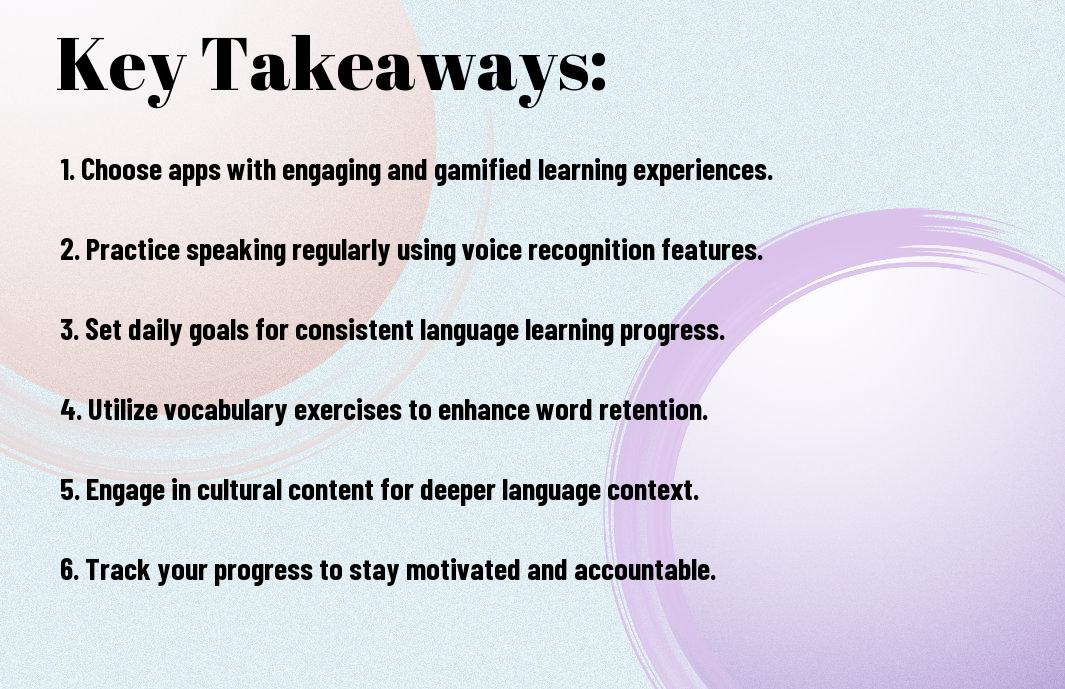
Key Takeaways:
To learn a language effectively through interactive apps, consider the following points:
- Focus on Immersion by using apps that offer interactive lessons, quizzes, and games to simulate real-life conversations and scenarios, helping you to become familiar with the language in a more engaging way.
- Look for apps that provide Personalized learning experiences, tailoring the content to your learning style, level, and goals, ensuring that you stay motivated and progress at your own pace.
- Utilize apps that offer Spaced Repetition techniques, which help you review and practice vocabulary and grammar at optimal intervals, reinforcing your learning and improving long-term retention of the language.
Choosing the Right App
To begin your language learning journey, you need to select an app that suits your needs. With numerous options available, it’s vital to consider your goals and preferences when making a decision.
Evaluating Language Learning Goals
Around your objectives, you should consider what you want to achieve through language learning. Are you looking to improve your speaking skills or focus on reading and writing? Your goals will help you narrow down the options and choose an app that aligns with your needs.
Exploring App Features and Reviews
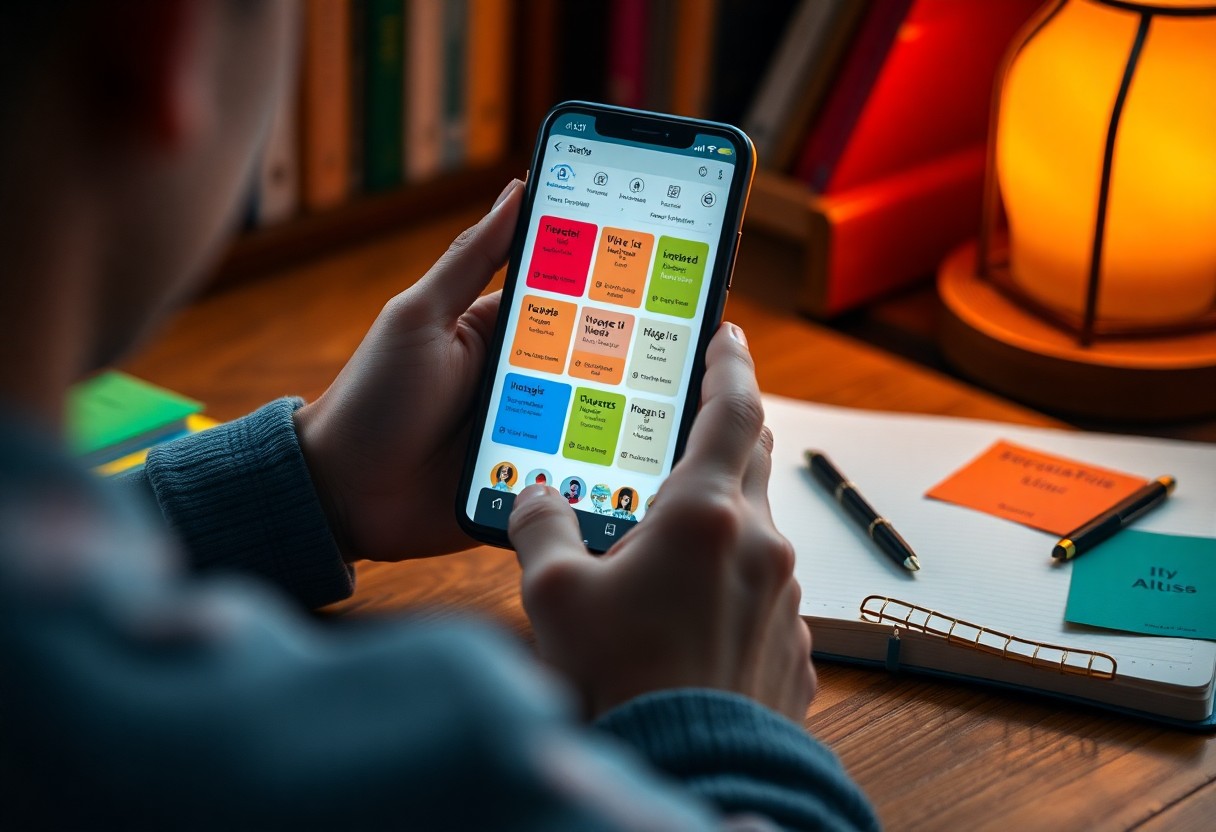
On the app stores, you can find a wide range of language learning apps, each with its unique features and strengths. You should browse through the descriptions, look at the screenshots, and read the reviews from other users to get an idea of what each app offers.
Further exploration of app features and reviews will help you make an informed decision. You can check if the app offers interactive lessons, speech recognition technology, and opportunities to practice with native speakers. By doing so, you can find the app that best fits your learning style and helps you achieve your language learning goals.
Setting Up Your Learning Environment
Some preliminary steps are necessary to create an effective language learning environment. You can start by browsing online forums such as Best app to learn languages? (from your personal experience) to find the most suitable app for your needs.
Creating a Dedicated Learning Space
Establishing a quiet and comfortable area for learning will help you stay focused. You should consider designating a specific spot for your language learning activities, free from distractions and interruptions.
Setting Achievable Daily Goals
Aiming to dedicate a certain amount of time each day to language learning will help you make steady progress. You can start by setting realistic targets, such as 15-30 minutes of practice per day, and adjust as needed.
With achievable daily goals in place, you will be able to track your progress and stay motivated. You can break down your goals into smaller tasks, such as completing a certain number of lessons or practicing a specific skill, and adjust your schedule accordingly to ensure consistent progress in your language learning journey.
Interactive Lessons and Exercises
For effective language learning, interactive apps offer a range of lessons and exercises tailored to your needs. You can access various topics, from grammar and vocabulary to pronunciation and comprehension, all in one place.
Engaging with Audio and Visual Content
Encountering multimedia content, such as videos, images, and audio recordings, helps you immerse yourself in the language and get a feel for how it’s used in context, making your learning experience more enjoyable and interactive.
Practicing Speaking and Writing Skills
Audibly, you will be able to improve your speaking skills by interacting with the app’s speech recognition technology, which provides instant feedback on your pronunciation and intonation, allowing you to refine your speaking skills.
With regular practice, you will see significant improvement in your ability to express yourself in writing and speaking, as the app provides you with a safe space to make mistakes and learn from them, helping you to build confidence in your language skills and gradually increase your proficiency level.
Tracking Progress and Staying Motivated
Now that you’ve started using interactive apps to learn a language, it’s vital to monitor your progress and stay motivated to achieve your goals.
Using App-Based Quizzes and Tests
About the time you begin to feel confident in your language skills, app-based quizzes and tests can help you assess your knowledge and identify areas for improvement.
Joining Language Learning Communities
Beneath the surface of language learning apps, you’ll find opportunities to connect with fellow learners, which can be a great motivator to keep you engaged.
Understanding the value of community support, you can leverage these platforms to practice your language skills with native speakers, get feedback on your progress, and learn from others who share your interests, helping you to stay motivated and inspired throughout your language learning journey, and you will be able to track your progress more effectively.
Overcoming Common Challenges
All language learners face obstacles, but with the right approach, you can overcome them. You will encounter difficulties, and it’s important to stay motivated and patient.
Dealing with Grammar and Vocabulary Struggles
With persistence, you can tackle grammar and vocabulary challenges. You will find that consistent practice helps to build your skills, and your understanding of the language will improve over time.
Finding Language Exchange Partners
Partners in language learning can be invaluable, providing you with opportunities to practice your speaking and listening skills. You can search for language exchange partners online or through social media groups.
Dealing with the challenge of finding language exchange partners can be straightforward. You can join online communities, such as language learning forums or social media groups, where you can connect with native speakers or other learners. This will help you to find someone to practice with, and you can support each other in your language learning journey.
Maximizing App Effectiveness
Unlike traditional learning methods, interactive language apps offer a unique opportunity to track your progress and identify areas for improvement, allowing you to adjust your learning strategy and maximize your time.
Supplementing with Other Language Learning Resources
On top of using language learning apps, you can supplement your learning with other resources such as language exchange websites, podcasts, and books to create a well-rounded learning experience and improve your skills faster.
Staying Consistent and Patient
Before you start using language learning apps, you should set realistic goals and expectations, as learning a language takes time and effort, and it’s necessary to stay motivated and consistent in your practice to achieve your goals.
Due to the nature of language learning, you will encounter setbacks and challenges, but by staying patient and persistent, you can overcome them and continue to make progress, and your hard work will pay off in the long run, as you become more proficient in your target language and start to see improvement in your speaking, writing, and listening skills.
Conclusion
The key to learning a language through interactive apps lies in your ability to consistently practice and engage with the material. You can effectively supplement your learning by using these apps to practice speaking, writing, and listening skills. As you progress, you will find that your proficiency in the language improves, and you become more confident in your ability to communicate effectively.
FAQ
Q: What are the benefits of learning a language through interactive apps?
A: Learning a language through interactive apps offers several benefits, including flexibility, accessibility, and personalized learning. Interactive apps allow users to learn at their own pace, anytime and anywhere, making it an ideal option for those with busy schedules. Additionally, many apps offer interactive features such as quizzes, games, and conversations with native speakers, which can make the learning process more engaging and effective. Overall, interactive language learning apps can help users stay motivated, track progress, and achieve their language learning goals.
Q: How do I choose the right interactive language learning app for my needs?
A: Choosing the right interactive language learning app depends on several factors, including your language level, learning style, and goals. It’s important to consider the type of content offered, such as grammar lessons, vocabulary building, and pronunciation practice. You should also look for apps that offer interactive features, such as speech recognition, chatbots, and social sharing, which can enhance the learning experience. Furthermore, reading reviews, trying out free trials, and comparing features can help you make an informed decision and find the app that best suits your needs and learning preferences.
Q: Can I become fluent in a language by using interactive language learning apps alone?
A: While interactive language learning apps can be an effective tool for learning a language, they should be used in conjunction with other language learning methods to achieve fluency. Apps can provide a solid foundation in grammar, vocabulary, and pronunciation, but they may not offer the same level of immersion and practice as speaking with native speakers, watching TV shows or movies, or reading books in the target language. To become fluent, it’s important to supplement app-based learning with consistent practice, such as language exchange programs, tutoring, or language meetups, which can help improve speaking, listening, and writing skills in a more comprehensive way.