How does learning a language with a different script (e.g., Arabic, Chinese) differ from learning a language with a familiar script

You commence on an exciting linguistic journey when learning a language with a different script like Arabic or Chinese. Unlike familiar scripts such as Latin or Cyrillic, mastering a new script involves understanding unique characters or symbols. This challenge adds a layer of complexity to language learning, requiring greater focus on visual memory and recognition. Discover the fascinating differences and rewards of delving into a language with a script that is entirely new to you.

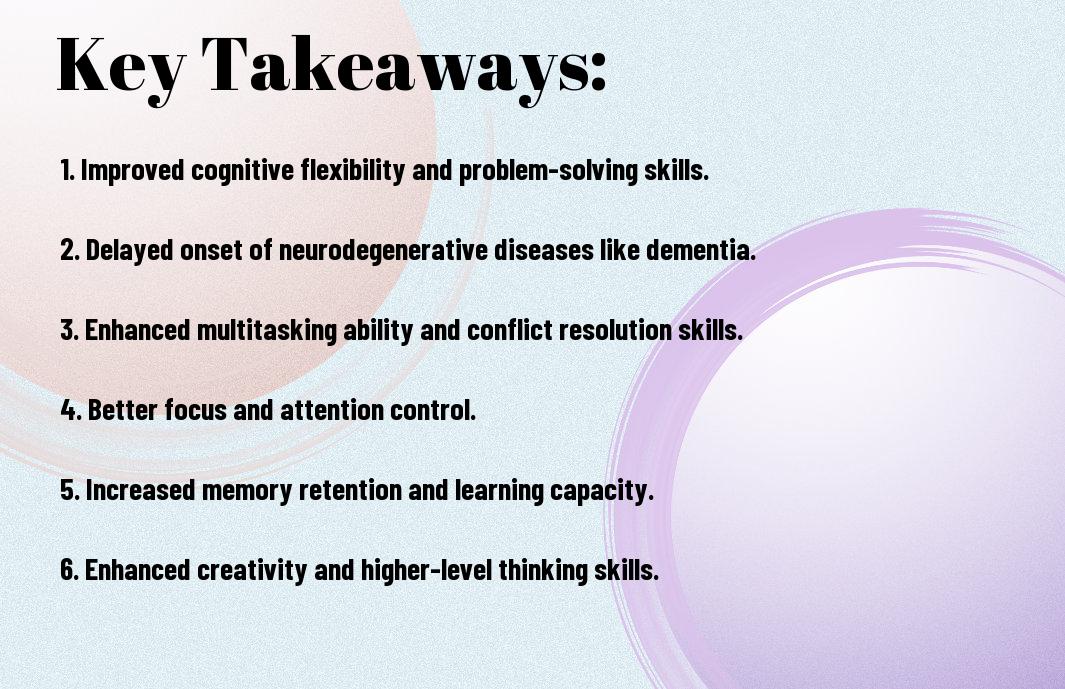
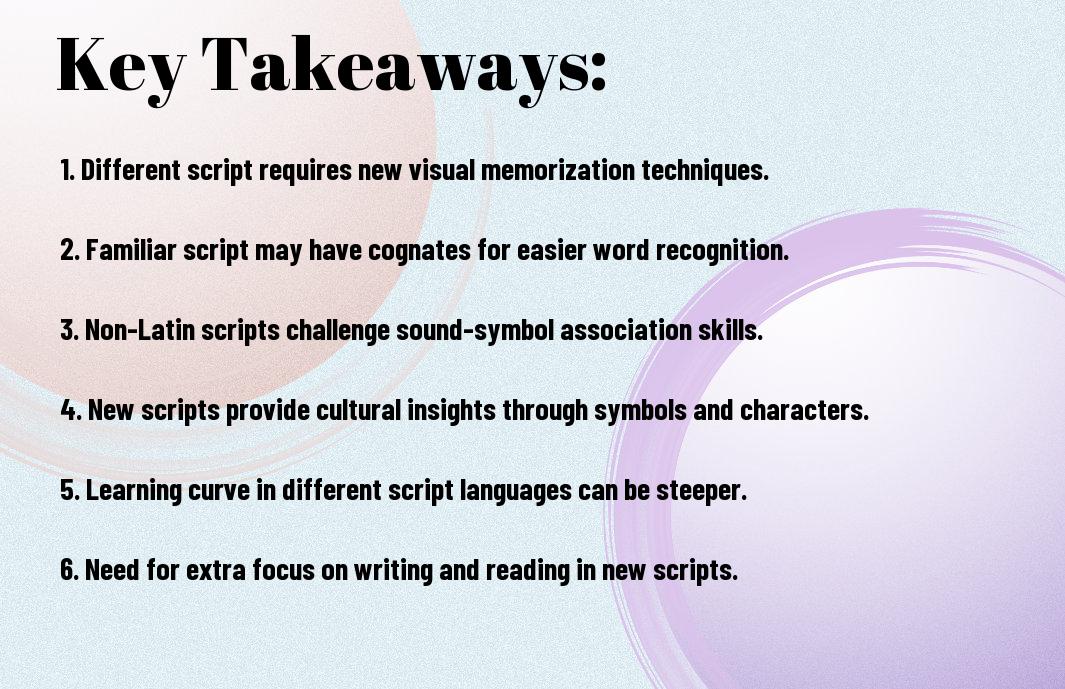
Key Takeaways:

  • Visual and Spatial Skills: Learning a language with a different script, such as Arabic or Chinese, requires developing new visual and spatial skills to recognize and recall unfamiliar characters or symbols.
  • Memory and Recall: Memorization plays a significant role when learning a language with a different script, as learners need to remember how each character is written and its corresponding meaning, which can be more challenging than learning a language with a familiar script.
  • Cultural Understanding: Learning a language with a different script provides insight into the culture and history of the language, allowing learners to connect more deeply with the language and its speakers.
The Challenges of Unfamiliar Scripts

Deciphering New Characters

The process of learning a language with a different script, such as Arabic or Chinese, presents unique challenges that can feel overwhelming at first. Deciphering new characters in these scripts requires a different mental approach compared to languages using familiar alphabets. When faced with unfamiliar characters, you may find it difficult to associate sounds with symbols, making the learning process more intricate.

Overcoming Visual Barriers

The visual aspect of unfamiliar scripts can be daunting as well. Unlike familiar scripts where letters may have some resemblance to sounds, characters in languages like Arabic or Chinese can appear complex and unrelated to their pronunciation. You may need to rely heavily on visual memory and pattern recognition to distinguish between characters, adding an extra layer of complexity to the learning process.

Barriers: However, as you persist in practicing and immersing yourself in the language, you will gradually become more adept at recognizing and recalling these new characters. Over time, the visual barriers that once seemed insurmountable will start to diminish, and you will find yourself becoming more comfortable with the script.

Language Acquisition Strategies

Focus on Phonetics and Phonology

Assuming you are learning a language with a different script such as Arabic or Chinese, one of the key language acquisition strategies is to focus on phonetics and phonology. This involves paying close attention to the sounds of the language and understanding how they are produced. Since these languages may have sounds that do not exist in your native language, it is crucial to practice and perfect your pronunciation to communicate effectively.

Building Vocabulary through Context

Strategies for learning a language with a different script also involve building vocabulary through context. When learning a language like Arabic or Chinese, where characters or symbols represent words, it can be helpful to understand the context in which these words are used. By immersing yourself in conversations, reading texts, and listening to native speakers, you can pick up new vocabulary more effectively.

This approach allows you to grasp not only the meaning of individual words but also how they are used in different contexts. By understanding the context in which words are used, you can build a more comprehensive vocabulary and improve your language skills overall.

Script-Specific Learning Techniques

Your understanding of different language scripts can greatly impact your language learning journey. It’s important to debunk the myth that unfamiliar scripts are insurmountable challenges. Check out Why Languages With Different Scripts Aren’t As Scary… to gain confidence in approaching new writing systems.

Arabic: Mastering the Abjad System

ScriptSpecifically for Arabic, tackling the Abjad system, where letters are primarily consonants with added diacritical marks for vowels, can seem daunting at first. Focus on learning the shapes and sounds of individual letters and practice writing them repeatedly to enhance your recognition and recall. Additionally, engaging with Arabic media like movies, music, and literature can help you immerse yourself in the script and improve your overall understanding.

Chinese: Tackling Tones and Characters

Any language learner exploring into Chinese faces the unique challenge of tones and characters. With four distinct tones that can change the meaning of words, mastering pronunciation is crucial. Practice speaking with native speakers or tutors to refine your tonal accuracy. In terms of characters, start with basic radicals and common characters before progressing to more complex ones. Flashcards and writing practice are excellent tools to reinforce character recognition and retention.

With a patient and consistent approach, learning languages with different scripts can be a rewarding and enriching experience. Remember that understanding the specific nuances of each script and utilizing tailored learning techniques can accelerate your progress and boost your confidence in mastering these diverse linguistic systems.

The Cognitive Benefits of Learning a New Script

Enhanced Visual Processing

Script learning with a different alphabet or characters can significantly enhance your visual processing skills. When you investigate into a language with a unique script like Arabic or Chinese, your brain is exposed to new symbols and shapes that require you to interpret and recognize them in a different way. This process challenges your brain to adapt and improve its ability to process visual information, leading to enhanced overall visual processing skills.

Improved Memory and Attention

Learning a language with a different script can also lead to improved memory and attention. The act of memorizing and recognizing new characters or symbols engages your brain in a way that strengthens your memory retention. This exercise in memory recall can help enhance your overall cognitive function and attention span.

For instance, when you learn Chinese characters, your brain is constantly challenged to remember and distinguish between thousands of intricate symbols. This mental workout not only improves your memory but also boosts your ability to focus and pay attention to details.

Cultural Immersion and Script Learning

Reading Authentic Materials

Authentic immersion in a new language involves exposure to genuine materials written in that language. When learning a language with a different script, such as Arabic or Chinese, engaging with authentic materials becomes even more crucial. Reading texts in their original script not only allows you to practice your language skills but also immerses you in the cultural nuances embedded within the script itself. By exploring traditional manuscripts, contemporary literature, or online articles in the language’s script, you can deepen your understanding of the language’s origins and cultural context.

Engaging with Native Speakers

The key to mastering a new script as part of learning a language lies in engaging with native speakers. Language is not just a system of symbols but a living entity shaped by its speakers’ unique expressions and interactions. Through conversations with native speakers, you can observe how the script intertwines with the spoken language, gaining insights into the natural flow and cadence of communication. Your interactions will not only enhance your script recognition but also provide you with a deeper appreciation of the cultural norms and values that inform the language’s script.

The dynamic exchange with native speakers will enrich your language learning journey, helping you build confidence in reading and writing the script through real-world practice. As you engage with native speakers, you’ll not only refine your language skills but also develop a deeper connection to the cultural heritage embedded in the script of the language you’re learning.

Technology and Language Learning Tools

For a language learner tackling a script that is completely different from their native language, technology can be a game-changer. Language learning apps and software offer interactive ways to practice writing and reading characters in scripts like Arabic or Chinese. These apps often include features like stroke order demonstrations, pronunciation guides, and interactive quizzes to enhance your learning experience.

Language Learning Apps and Software

Language learning apps and software provide a structured approach to learning a new script. They offer a variety of exercises and activities to help you familiarize yourself with the characters and their meanings. Some apps even use spaced repetition algorithms to optimize your memorization process, ensuring that you retain what you’ve learned for the long term.

Online Resources for Script Practice

Technology has made it easier than ever to find online resources specifically tailored to help you practice unfamiliar scripts. Websites and apps offer various exercises, games, and practice sheets that focus on improving your script recognition and writing skills. These resources allow you to practice at your own pace and track your progress over time, making the learning journey more efficient and enjoyable.

To fully immerse yourself in a new script, online resources dedicated to script practice can be invaluable. These resources often provide detailed explanations of character formation and stroke order, helping you master the writing system with precision. Additionally, interactive online exercises allow you to practice writing characters repeatedly until you feel confident in your script proficiency.

Final Words

Conclusively, learning a language with a different script such as Arabic or Chinese can present unique challenges compared to learning a language with a familiar script like English or French. The unfamiliar characters and writing systems may require extra effort and practice to master, but the rewards of learning a new language are vast.

Embrace the opportunity to expand your cultural horizons and enhance your cognitive abilities by delving into a language with a different script. With perseverance and dedication, you can unlock the door to a whole new world of communication and understanding. So, don’t hesitate to begin on this enriching journey of language learning, no matter how different the script may seem at first glance.

Q: How does learning a language with a different script (e.g., Arabic, Chinese) differ from learning a language with a familiar script?

A: Learning a language with a different script can be more challenging than learning a language with a familiar script because you not only have to learn the vocabulary and grammar of the language, but you also have to learn an entirely new writing system.

Q: What are some challenges of learning a language with a different script?

A: Some challenges of learning a language with a different script include memorizing new characters or symbols, understanding the rules of the writing system, and practicing writing the characters correctly.

Q: How can I overcome the challenges of learning a language with a different script?

A: To overcome the challenges of learning a language with a different script, it’s important to practice writing the characters regularly, use flashcards to memorize the characters, and immerse yourself in the language by listening to native speakers and reading texts in the target language.

What is the role of language exchange programs in language learning

Communication is the key to mastering a new language, and language exchange programs offer a unique opportunity for you to immerse yourself in a different culture while practicing your language skills. By connecting with native speakers, you can improve your fluency, cultural competency, and gain valuable insights that textbooks alone can’t provide. In this blog post, we will explore the significance of language exchange programs in your language learning journey.

Key Takeaways:

  • Opportunity for practice: Language exchange programs provide learners with a structured platform to practice speaking and listening skills with native speakers.
  • Cultural immersion: Engaging in language exchange programs can offer insights into the culture and customs of the target language, enhancing overall language learning experience.
  • Mutual benefit: Both participants in a language exchange program can benefit from learning each other’s language, creating a symbiotic relationship that fosters learning and understanding.

The Concept of Language Exchange Programs

Definition and History

History: Language exchange programs have a rich history dating back decades. These programs were initially created to provide individuals with the opportunity to practice and improve their language skills through real-life conversations with native speakers. The concept of language exchange is based on the principle of reciprocal learning, where two individuals teach each other their native languages in a mutually beneficial exchange.

Types of Language Exchange Programs

This table breaks down the different types of language exchange programs:

Language Exchange Program Type Description
Tandem Language Learning Participants pair up based on their native languages and take turns practicing each other’s language.
Language Exchange Meetups Organized gatherings where individuals meet in person to practice speaking different languages.
Online Language Exchange Platforms Websites and apps that connect language learners worldwide for virtual language exchange sessions.
Language Exchange Pen Pals Participants communicate through written letters or emails to improve their language skills.
Language Exchange Programs Abroad Immersive programs where individuals travel to a foreign country to learn the language and culture firsthand.

Through these diverse types of language exchange programs, you can choose the one that best suits your learning style and preferences. Though each program may have a slightly different approach, the common goal is to provide you with the opportunity to practice and improve your language skills in a practical and engaging way.

Benefits of Language Exchange Programs

Improved Pronunciation and Fluency

Even for advanced language learners, perfecting pronunciation and fluency can be a challenging task. Language exchange programs offer a unique opportunity to practice with native speakers in a natural, conversational setting. By engaging in regular conversations, you can pick up on the nuances of the language, improve your accent, and enhance your fluency.

Enhanced Vocabulary and Grammar

Language exchange programs provide an excellent platform to expand your vocabulary and refine your grammar skills. Through interactions with native speakers, you can learn colloquial expressions, idiomatic phrases, and grammatical structures that may not be found in textbooks. This hands-on approach to learning allows you to contextualize new words and grammar rules, making them easier to remember and apply in real-life situations.

Language exchange programs encourage you to step out of your comfort zone and practice using the language in authentic scenarios. As you engage in conversations on various topics, you will naturally encounter new words and phrases, expanding your vocabulary organically.

Cultural Immersion and Awareness

Another key benefit of language exchange programs is the opportunity for cultural immersion and awareness. Language is deeply intertwined with culture, and by interacting with native speakers, you not only learn the language but also gain insights into their traditions, customs, and way of life. This holistic approach to language learning helps you develop a deeper understanding and appreciation for different cultures.

To truly immerse yourself in a language and its culture, you can participate in cultural activities, attend events, or even travel to countries where the language is spoken. This firsthand experience enriches your language learning journey and broadens your perspective on the world.

How Language Exchange Programs Facilitate Language Learning

Interactive and Engaging Learning Experience

Unlike traditional classroom settings, language exchange programs provide you with a unique opportunity to engage in real-life conversations with native speakers or proficient learners of the language you are trying to acquire. This interactive experience allows you to practice your speaking and listening skills in a more natural and dynamic way, making the learning process more enjoyable and effective.

Personalized Feedback and Correction

Correction:

Language exchange partners can give you instant feedback on your pronunciation, grammar, and vocabulary usage during your conversations. This immediate correction helps you to identify and correct mistakes as you make them, reinforcing proper language patterns and structures in your mind.

Additionally, your language exchange partner can tailor their feedback to address your specific areas of weakness, providing you with personalized guidance for improvement.

Building Confidence and Reducing Anxiety

Engaging:

Feedback from your language exchange partner can boost your confidence by acknowledging your progress and pointing out areas where you excel. This positive reinforcement can help to alleviate the anxiety often associated with making mistakes in a new language, creating a supportive environment for your language learning journey.

This combination of constructive feedback and encouragement can empower you to take risks in your language practice and become more comfortable expressing yourself in real-world situations.

The Role of Technology in Language Exchange Programs

For language learners, technology has revolutionized the way we engage in language exchange programs. Online platforms and apps have made connecting with native speakers around the world easier than ever before.

Online Platforms and Apps

Programs like Tandem, HelloTalk, and iTalki have provided language learners with a virtual space to practice speaking, writing, and even video chatting with native speakers. These platforms offer a more informal and relaxed environment for language practice, allowing you to exchange language tips, cultural insights, and build friendships with speakers of your target language.

Virtual Reality and Gamification

Reality can take your language learning experience to the next level by immersing you in a virtual environment where you can practice real-life scenarios. Gamification elements make learning fun and engaging, whether through interactive quizzes, role-playing games, or language challenges.

With the integration of AI technology, virtual reality platforms can provide personalized feedback, track your progress, and tailor lessons to your specific learning needs. This interactive and immersive approach can make language learning feel more like an adventure rather than a task.

Accessibility and Convenience

One of the key advantages of technology in language exchange programs is the accessibility and convenience it offers. With just a few clicks, you can connect with language partners from around the globe, schedule video calls at your convenience, and practice languages anytime, anywhere.

One additional benefit is the flexibility to choose partners based on your interests, proficiency level, and preferred language exchange format. Whether you prefer texting, voice messages, or video calls, online platforms provide a range of options to suit your learning style.

Overall, technology has transformed language exchange programs, making them more engaging, interactive, and accessible than ever before. Online platforms, virtual reality, and gamification elements have enhanced the language learning experience, allowing you to connect with native speakers, practice real-life scenarios, and improve your proficiency in a fun and convenient way.

Challenges and Limitations of Language Exchange Programs

Finding a Suitable Language Partner

To find a suitable Language Partner for your language exchange program, visit this link to get started. It can be a challenge to find someone who is willing to commit the same amount of time and effort to the language exchange as you are. Additionally, you may encounter difficulties in finding a partner whose language goals align with your own. Keep in mind that patience and flexibility are key when searching for the right Language Partner.

Time Zone and Scheduling Conflicts

Any language exchange program can face challenges due to time zone differences and scheduling conflicts. Coordinating a time that works for both you and your Language Partner can be tricky, especially if you are in different parts of the world. It’s necessary to set clear expectations from the beginning and communicate effectively to find a schedule that suits both of your availabilities.

Language exchange programs can be immensely rewarding but may also come with challenges. Time zone differences and scheduling conflicts are common hurdles that participants encounter. Finding a suitable time to connect with your Language Partner can be a significant barrier. However, with open communication and mutual understanding, you can navigate through these challenges and make the most out of your language exchange experience. Recall, the journey to language proficiency is a process that requires effort and dedication.

Language Barriers and Miscommunication

On your language exchange journey, you may come across language barriers and miscommunication with your Language Partner. Differences in fluency levels can lead to misunderstandings, and cultural nuances may not always be easily understood. It’s important to approach these challenges with patience and a willingness to learn from your mistakes. Remember that communication is a two-way street, and both you and your partner can benefit from clarifying doubts and improving language skills together.

Best Practices for Effective Language Exchange

Setting Realistic Goals and Expectations

Now, when engaging in a language exchange program, it is crucial to set realistic goals and expectations for yourself. Language learning is a gradual process that requires time and dedication, so be honest with yourself about what you hope to achieve. Setting achievable goals can help keep you motivated and on track during your language exchange sessions.

Creating a Language Learning Plan

An effective way to make the most out of your language exchange experience is by creating a structured language learning plan. This plan can include specific areas you want to focus on, such as vocabulary, grammar, or conversational skills. Allocate time for each aspect and set milestones to track your progress.

With a well-thought-out language learning plan, you can ensure that you cover all necessary areas for improvement and make the most of your language exchange sessions. Tailoring the plan to your learning style and goals can significantly enhance the effectiveness of the language exchange program.

Being Open-Minded and Flexible

Best practices for a successful language exchange include being open-minded and flexible during the sessions. Language learning is a two-way street, and being receptive to feedback and corrections from your language partner is crucial for growth. Embrace the opportunity to learn from each other’s language and cultural differences.

Being open-minded and flexible allows you to adapt to different learning styles and teaching methods, making the language exchange experience more dynamic and enriching. It also fosters a collaborative and supportive environment where both participants can benefit mutually from the language exchange.

Conclusion

So, language exchange programs play a significant role in language learning by providing a practical and interactive way to practice a new language. Through these programs, you can immerse yourself in the language, culture, and customs of native speakers, allowing you to improve your language skills rapidly and effectively. By engaging in conversations, sharing experiences, and receiving constructive feedback from native speakers, you can gain confidence and fluency in the language you are learning.

Furthermore, language exchange programs offer a unique opportunity for cultural exchange and building international connections. By connecting with people from different backgrounds and learning about their perspectives, you not only improve your language skills but also gain a deeper understanding of different cultures and ways of thinking. So, whether you are a beginner or an advanced learner, participating in language exchange programs can greatly enhance your language learning experience and broaden your horizons.

Q: What are language exchange programs?

A: Language exchange programs are platforms where individuals can connect with native speakers of a foreign language to practice speaking, listening, and learning the language informally.

Q: How do language exchange programs help in language learning?

A: Language exchange programs provide an opportunity for language learners to practice their speaking skills with native speakers, improve their pronunciation, learn colloquial expressions, and gain cultural insights that are not typically taught in traditional classroom settings.

Q: What are the benefits of participating in language exchange programs?

A: Participating in language exchange programs can help language learners improve their fluency, confidence in speaking, cultural understanding, and build connections with people from different parts of the world. It also offers a more personalized and interactive approach to language learning compared to traditional methods.

How can one effectively learn multiple languages simultaneously

Most individuals believe learning multiple languages simultaneously is an arduous task. However, with the right approach, you can tackle this challenge effectively. In this blog post, we will explore practical tips and strategies to help you master multiple languages at the same time. By following these proven techniques, you will see significant progress in your language-learning journey.

Key Takeaways:

  • Establish a Routine: Creating a consistent study schedule for each language can help in effective learning.
  • Focus on Different Skills: Allocate specific times to work on varied language skills like listening, speaking, reading, and writing for each language.
  • Utilize Resources: Make use of language learning apps, online platforms, tutors, and language exchange partners to practice and improve proficiency in multiple languages.

Setting Realistic Goals

For you to effectively learn multiple languages simultaneously, it’s crucial to set realistic goals. By having clear objectives in mind, you can track your progress and stay motivated throughout your language learning journey.

Defining Your Motivation

Defining your motivation is the first step in setting realistic goals for learning multiple languages. Ask yourself why you want to learn these languages – whether it’s for travel, career advancement, personal growth, or simply the love of languages. Understanding your underlying motivation will help you stay committed when the going gets tough.

Assessing Your Language Learning Ability

Realistic goal setting also involves assessing your language learning ability. Consider factors such as your previous language learning experiences, your time availability, and your aptitude for learning languages. Be honest about your strengths and weaknesses in language learning to tailor your goals accordingly.

This self-assessment will help you determine how many languages you can realistically learn simultaneously and at what pace. It’s crucial to strike a balance between challenging yourself and avoiding burnout so that you can make steady progress in your language learning journey.

Creating a Study Schedule

Even when learning multiple languages simultaneously, creating a study schedule is crucial to stay organized and make progress efficiently.

Prioritizing Languages

One way to effectively learn multiple languages at the same time is by prioritizing them based on your goals and interests. Focus on mastering the languages that are imperative for your career, education, or personal connections. By setting priorities, you can allocate more time and energy to these languages, ensuring significant progress in each.

Allocating Time Effectively

Languages require consistent practice to retain and improve your skills. Allocate specific time slots for each language in your schedule, balancing all languages to ensure that none are neglected. Consider dividing your study sessions into shorter, focused periods for each language throughout the week. This approach can help you maintain momentum without feeling overwhelmed by trying to study all languages every day.

With a well-structured study schedule that prioritizes key languages and allocates time effectively, you can make steady progress in learning multiple languages simultaneously. Consistency and dedication to your schedule will be key in achieving fluency and proficiency in each language over time.

Choosing the Right Resources

Not sure where to start when learning multiple languages at the same time? Check out this useful guide on How to Learn Multiple Languages At The Same Time for helpful tips and strategies. When tackling multiple languages, it’s imperative to choose the right resources that suit your learning style and goals.

Language Learning Apps

Right, language learning apps can be incredibly beneficial when learning multiple languages simultaneously. Apps like Duolingo, Babbel, and Rosetta Stone offer a wide range of languages to choose from and allow you to switch between them effortlessly. These apps provide interactive lessons, vocabulary practice, and even opportunities for speaking and listening exercises in each language.

Textbooks and Language Courses

The key to effectively learning multiple languages with textbooks and language courses is to select resources that align with your proficiency level and interests. The quality of the material and the structure of the course can significantly impact your learning progress. For instance, if you are a beginner in one language but more advanced in another, you can choose beginner textbooks for the former and intermediate courses for the latter.

Language Exchange Partners

With language exchange partners, you have the opportunity to practice your target languages with native speakers while helping them learn your native language in return. This reciprocal learning method allows you to improve your speaking, listening, and cultural understanding in each language. Finding language exchange partners through apps, online platforms, or local language exchange meetups can provide valuable real-life practice opportunities.

It’s imperative to establish clear language learning goals and communicate them with your language exchange partners to ensure a mutually beneficial language exchange experience. By regularly engaging with native speakers in each of your target languages, you can enhance your language skills effectively.

Developing a Language Learning Routine

Despite the common belief that learning multiple languages simultaneously is a daunting task, it can be a rewarding and enriching experience with the right approach. One key aspect of effectively learning multiple languages at the same time is to develop a language learning routine that is structured and consistent.

Consistency is Key

Developing a consistent language learning routine is crucial when tackling multiple languages. Set aside specific time slots in your daily schedule dedicated to each language you are learning. Consistency helps reinforce your memory and language skills, allowing you to progress steadily in each language.

Immersion Techniques

Routine immersion in the languages you are learning is crucial to gaining proficiency. Immersion techniques include listening to music, watching movies or TV shows, reading books, and engaging with native speakers. By surrounding yourself with the languages regularly, you can improve your comprehension and fluency more effectively.

Language immersion can also involve changing the language settings on your devices or social media platforms to create a more immersive environment. This constant exposure helps you adapt to the languages naturally and enhances your learning experience.

Active Practice vs. Passive Learning

For optimal language learning results, it’s crucial to strike a balance between active practice and passive learning. Active practice involves speaking, writing, and actively engaging with the language, while passive learning includes listening, reading, and observing language usage.

Active practice challenges you to apply your language skills actively, helping you internalize grammar rules and vocabulary more effectively. On the other hand, passive learning complements active practice by exposing you to natural language patterns and enhancing your overall comprehension.

For Active Practice vs. Passive Learning

The key is to combine both active practice and passive learning strategies in your language learning routine. Balance interactive language activities with exposure to authentic language materials to cultivate a well-rounded language proficiency. This approach keeps your learning experience dynamic and engaging, leading to more significant progress in all the languages you are learning.

Managing Language Interference

All language learners face the challenge of language interference when learning multiple languages simultaneously. This occurs when one language’s structures, vocabulary, or pronunciation influence another language being learned. However, with mindful strategies, you can effectively manage this interference to enhance your language learning experience.

Minimizing Confusion

With consistent practice and exposure to each language, you can minimize confusion caused by language interference. One helpful tip is to establish a clear schedule for when you will study each language, ensuring that you dedicate separate and focused time to each one. By creating a structured routine, you can train your brain to switch between languages more efficiently and reduce the likelihood of mixing them up.

Focusing on Grammar and Syntax

On your language learning journey, focusing on grammar and syntax can also help you manage language interference. By understanding the unique rules and structures of each language, you can differentiate them in your mind and avoid confusing one with another. Paying attention to these core elements of language will not only improve your overall language skills but also prevent interference between the languages you are learning.

Focusing on grammar and syntax may require more effort initially, but it will provide you with a solid foundation for mastering multiple languages simultaneously. As you explore into the nuances of each language’s grammatical rules and sentence structures, you will develop a clearer mental separation between them, ultimately reducing the risk of interference and enhancing your language learning progress.

Staying Motivated and Organized

Keep yourself motivated and organized to effectively learn multiple languages simultaneously. This is important to stay on track and make consistent progress in your language learning journey.

Tracking Progress

The key to staying motivated is tracking your progress in each language you are learning. Keep a language journal or use language-learning apps to monitor your daily activities, such as vocabulary practice, grammar exercises, and speaking practice. Seeing how far you’ve come can be a great motivator to keep pushing forward.

Rewarding Yourself

Yourself

A great way to stay motivated while learning multiple languages is to reward yourself for reaching milestones. Set achievable goals for each language and when you reach them, treat yourself to something you enjoy, like a movie night in that language, a day off from studying, or a special meal at a restaurant that serves cuisine from one of the cultures you’re studying. Rewards can help keep you excited and engaged in your language learning.

Overcoming Plateaus

Rewarding yourself

It is normal to hit plateaus in language learning where you feel like you’re not making progress. When this happens, try switching up your study routine, focusing on different skills, or seeking out conversation partners in each language. Don’t get discouraged – plateaus are a natural part of the learning process, and pushing through them will only make you a stronger language learner in the end.

To wrap up

Considering all points, if you are aiming to learn multiple languages simultaneously, remember to set realistic goals, establish a consistent study routine, use effective learning strategies like language apps or flashcards, immerse yourself in the languages through media or conversation, and seek out language exchange partners. It is vital to stay organized, stay motivated, and be patient with yourself as you navigate the challenges of learning multiple languages at once. With dedication and perseverance, you can successfully achieve fluency in more than one language and enrich your personal and professional life.

Q: Is it possible to learn multiple languages at the same time?

A: Yes, it is possible to learn multiple languages simultaneously. However, it requires proper planning, time management, and dedication.

Q: What are some tips for effectively learning multiple languages simultaneously?

A: Some tips include setting clear language learning goals, creating a study schedule that divides time between each language, practicing regularly, immersing yourself in the languages through media and conversations, and using language learning apps and resources.

Q: Are there any challenges with learning multiple languages at the same time?

A: Yes, some challenges may include confusing vocabulary or grammar rules between languages, mixing up words in different languages, and feeling overwhelmed with the amount of information to learn. However, with proper organization and consistency, these challenges can be overcome.

What are the cognitive benefits of being bilingual or multilingual

Most of the time, when you think about being bilingual or multilingual, you probably focus on the practical benefits like being able to communicate with more people or having better job opportunities. However, did you know that being bilingual or multilingual also offers significant cognitive advantages? In this article, you will discover the fascinating ways in which speaking more than one language can positively impact your brain and cognitive abilities.

Key Takeaways:

  • Enhanced cognitive abilities: Bilingual or multilingual individuals often show improved abilities in areas such as problem-solving, critical thinking, and multitasking due to constantly switching between languages.
  • Delay in cognitive decline: Research suggests that speaking multiple languages can help delay the onset of diseases like Alzheimer’s and dementia, and can also improve overall brain health and function as one ages.
  • Increased mental flexibility: Bilingual or multilingual individuals typically have greater mental flexibility, better memory, and an increased ability to adapt to new situations and environments, which may contribute to overall cognitive benefits.

Enhanced Cognitive Abilities

A The benefits of being bilingual, with Viorica Marian, PhD study conducted by the American Psychological Association suggests that being bilingual or multilingual can provide numerous cognitive benefits that can enhance your mental abilities.

Improved Memory and Attention

One of the key cognitive benefits of being bilingual or multilingual is improved memory and attention. Research has shown that individuals who speak more than one language have better working memory, allowing them to store and process information more efficiently. Additionally, being bilingual requires a constant management of two language systems, which strengthens your brain’s executive function and attention control.

Enhanced Problem-Solving Skills

Cognitive flexibility is another cognitive benefit that comes with being bilingual or multilingual. When you speak multiple languages, your brain is constantly switching between languages and inhibiting one language while using another. This mental agility can enhance your problem-solving skills and make you more adept at handling complex tasks that require creative thinking.

Another aspect of enhanced problem-solving skills linked to bilingualism is the ability to think outside the box. When you are fluent in multiple languages, you have exposure to different cultural perspectives and communication styles, which can enable you to approach problems from various angles and come up with innovative solutions.

Delayed Onset of Age-Related Cognitive Decline

Slowing Down Cognitive Aging

Some research suggests that being bilingual or multilingual can significantly delay the onset of age-related cognitive decline. An individual who speaks multiple languages may experience a slower decline in cognitive functions such as memory, attention, and problem-solving as they age. This delay is believed to be due to the constant mental workout that the brain receives when switching between languages and inhibiting one language while using another.

Reduced Risk of Dementia and Alzheimer’s

Dementia refers to a decline in cognitive function that interferes with daily life, while Alzheimer’s disease is a specific type of dementia characterized by memory loss and cognitive decline. Studies have shown that individuals who are bilingual or multilingual have a reduced risk of developing dementia and Alzheimer’s compared to monolingual individuals. The cognitive reserve built from speaking multiple languages appears to provide a buffer against the brain changes associated with these conditions, allowing for better preservation of cognitive abilities even in the face of neurodegenerative diseases.

Alzheimer’s disease is a progressive neurological condition that primarily affects memory and other cognitive functions. Being bilingual or multilingual has been linked to a lower risk of developing Alzheimer’s disease. The cognitive benefits of language learning and maintenance may help build a reserve that can provide protection against the brain changes associated with Alzheimer’s, delaying its onset or reducing its severity. By challenging your brain with multiple languages, you may be able to fortify its cognitive resources and resilience, potentially decreasing your susceptibility to this debilitating disease.

Increased Gray Matter

Keep exploring the Cognitive benefits of being bilingual by delving into the fascinating world of brain plasticity and how being bilingual or multilingual can impact the structure of your brain. Research has shown that bilingual individuals tend to have increased gray matter in areas of the brain related to language control and executive function. This growth in gray matter may be attributed to the constant cognitive effort required to switch between languages and inhibit one language while using another.

Brain Plasticity and Neurogenesis

Neurogenesis, the process of generating new neurons in the brain, is heightened in bilingual individuals. This phenomenon suggests that the act of speaking multiple languages may serve as a cognitive workout for your brain, promoting the growth of new neural pathways and enhancing overall brain health.

Enhanced Language Processing

Plasticity refers to the brain’s ability to reorganize itself by forming new neural connections throughout life. Being bilingual or multilingual enhances this plasticity, enabling you to adapt more easily to new language structures and rules.

This heightened plasticity not only improves your language learning abilities but also has broader implications on cognitive functions such as problem-solving and multitasking. Your brain becomes more adept at processing and interpreting information, making you a more efficient and effective communicator in all aspects of your life.

Better Academic Performance

Many studies have shown that being bilingual or multilingual can lead to better academic performance across various subjects. This cognitive advantage stems from the brain’s ability to switch between different languages, improving cognitive flexibility and problem-solving skills. As a result, bilingual individuals often exhibit higher levels of academic achievement compared to their monolingual peers.

Improved Reading Comprehension

Reading comprehension is a vital skill in academic success, and being bilingual can significantly enhance this ability. When you are fluent in multiple languages, you develop a deeper understanding of how languages work, such as grammar, syntax, and vocabulary. This heightened language awareness translates into improved reading comprehension skills, allowing you to comprehend complex texts more effectively and extract key information with ease.

Enhanced Math and Science Skills

Better cognitive skills acquired through bilingualism also extend to math and science subjects. Research has shown that bilingual individuals often outperform monolinguals in mathematical reasoning and problem-solving tasks. The cognitive benefits of being bilingual, such as enhanced executive functions and improved working memory, play a significant role in boosting your performance in math and science-related tasks. So, the next time you tackle a challenging math problem or a complex scientific concept, your bilingualism might give you a cognitive edge!

Skills in areas like math and science require strong analytical and problem-solving abilities, which are honed through the cognitive advantages that come with being bilingual or multilingual. These enhanced cognitive functions not only help you excel in academic settings but also equip you with valuable skills that can be applied in various aspects of your life, both academically and professionally.

Career Advantages

Increased Job Opportunities

Unlike monolingual individuals, being bilingual or multilingual opens up a world of increased job opportunities for you. Many companies today operate on a global scale, dealing with clients, partners, and customers from diverse linguistic backgrounds. Your ability to communicate in more than one language makes you a valuable asset in such environments. You can easily work in international markets, negotiate deals with foreign partners, and navigate cross-cultural communication with ease.

Enhanced Communication and Collaboration

One of the key cognitive benefits of being bilingual or multilingual is enhanced communication and collaboration skills. Your proficiency in multiple languages enables you to engage with a wider range of colleagues, clients, and stakeholders. You can effectively bridge language barriers, foster understanding between team members from different backgrounds, and facilitate smooth collaboration on projects that involve multicultural teams. Your adaptability in switching between languages also showcases your flexibility and resourcefulness in the workplace.

Opportunities for career advancement often arise from your ability to communicate effectively and collaborate efficiently with a diverse range of individuals. As a bilingual or multilingual professional, you are well-equipped to take on leadership roles that require strong interpersonal skills and the capacity to connect with people from varying linguistic and cultural contexts. Your linguistic abilities can set you apart in job interviews, networking events, and professional interactions, demonstrating your competence and cultural awareness to potential employers and colleagues.

Cultural Enrichment and Empathy

Your ability to speak multiple languages not only enhances your cognitive skills but also enriches your cultural perspective and empathy towards others.

Broader Cultural Perspective

Empathy is a crucial skill in today’s interconnected world, allowing you to understand and appreciate different cultures. Being bilingual or multilingual exposes you to diverse ways of thinking, communicating, and living. This exposure helps you develop a broader cultural perspective, enabling you to empathize with people from different backgrounds and understand their viewpoints.

Deeper Understanding of Different Cultures

To deepen your understanding of different cultures, you must immerse yourself in their languages. Language is intertwined with culture, and by speaking multiple languages, you gain insight into the values, beliefs, and customs of various societies. This deeper understanding fosters empathy and allows you to navigate cross-cultural interactions with sensitivity and respect.

Another benefit of speaking multiple languages is the ability to break down cultural barriers and foster meaningful connections with individuals from diverse backgrounds. By engaging with others in their native language, you show a willingness to bridge linguistic and cultural gaps, creating a sense of understanding and empathy that transcends borders.

Summing up

Conclusively, being bilingual or multilingual offers a multitude of cognitive benefits. Your brain becomes more efficient in problem-solving, multitasking, and decision-making as it continuously exercises its cognitive functions by switching between languages. Additionally, your ability to empathize and understand others improves as you develop a deeper appreciation for different cultures and perspectives through language.

Q: What are the cognitive benefits of being bilingual or multilingual?

A: Being bilingual or multilingual can improve cognitive abilities such as problem-solving skills, multitasking, and decision-making. It can also enhance creativity, memory, and overall brain function.

Q: How does being bilingual or multilingual affect the brain?

A: Studies have shown that bilingual or multilingual individuals have increased brain connectivity, which can lead to better cognitive function and a reduced risk of cognitive decline as they age. This constant switching between languages exercises the brain, making it more efficient and flexible.

What are some other cognitive benefits of being bilingual or multilingual?

A: In addition to improved cognitive abilities, being bilingual or multilingual has been linked to better academic performance, greater empathy, and a heightened ability to understand and appreciate different perspectives and cultures. It can also delay the onset of diseases like Alzheimer’s and dementia.

How does learning a new language impact one’s understanding of their native language

Language holds the key to unlocking a deeper comprehension of the world around you. As you commence on the journey of learning a new language, you open the door to a new realm of linguistic exploration that can revolutionize how you perceive and grasp the intricacies of your native tongue. The process of acquiring a new language magnifies your awareness of grammar rules, sentence structures, and even cultural nuances present in your first language, shedding light on its complexities and enhancing your overall linguistic aptitude.

Key Takeaways:

  • Improves linguistic awareness: Learning a new language can enhance one’s understanding of the structure and grammar of their native language.
  • Expands vocabulary: The process of learning new words and expressions in a different language can lead to a deeper appreciation and utilization of vocabulary in one’s native language.
  • Enhances communication skills: Mastering a new language can improve one’s ability to convey thoughts and ideas effectively in their native language as well, as it sharpens overall language skills.

The Interconnectedness of Language

Language as a Web of Associations

For you, language is not just a set of words and syntax rules. It is a complex web of associations, where each word carries with it a nuanced meaning shaped by cultural, historical, and personal experiences. When you commence on learning a new language, you start to unravel this intricate web, discovering how words interconnect and relate to one another.

How New Language Acquisition Affects Native Language Patterns

With each new language you learn, you not only expand your linguistic repertoire but also gain a fresh perspective on your native language. This new lens allows you to notice subtleties and nuances in your mother tongue that you might have previously overlooked. It can lead to a deeper appreciation of the beauty and complexity of language.

It is fascinating to observe how learning a new language can influence the way you use your native language. You may find yourself incorporating unique expressions or sentence structures from the new language into your speech or writing. This cross-pollination of languages can enrich your communication skills and make you a more versatile and adaptable communicator.

The Linguistic Lens

Perspective Shift: Seeing Native Language in a New Light

Now, as you commence on the journey of learning a new language, you will find that your perspective on your native language begins to shift. Suddenly, you become more aware of the grammar rules, pronunciation nuances, and even cultural connotations that were previously second nature to you. This newfound awareness allows you to view your native language through a different lens, appreciating its complexities and subtleties in ways you never did before.

Enhanced Metalinguistic Awareness

On your language learning journey, you will develop enhanced metalinguistic awareness, which is the ability to consciously think about and understand the rules and structures of language. This awareness not only helps you grasp the mechanics of the new language you are learning but also deepens your understanding of your native language. You start noticing patterns, making connections, and recognizing the intricacies of grammar and syntax that you might have previously taken for granted.

In light of this enhanced metalinguistic awareness, you begin to see your native language through a more analytical and critical lens. You appreciate the beauty of its construction, marvel at its flexibility, and understand its nuances in a way that enriches your overall linguistic competence.

Cognitive Benefits

Improved Memory and Attention

Not only does learning a new language expand your communication skills, but it also enhances your cognitive abilities. One of the key benefits is the improvement in memory and attention. When you learn a new language, your brain is constantly switching between languages, which requires you to actively pay attention to the nuances of each. This cognitive demand strengthens your attention span and ability to concentrate.

Enhanced Problem-Solving Abilities

Attention! Learning a new language can also lead to enhanced problem-solving abilities. As you navigate the complexities of a different linguistic system, your brain develops new neural pathways that are crucial for problem-solving and critical thinking. This mental agility can be transferred to various aspects of your life, enabling you to approach challenges with a fresh perspective and innovative solutions.

This cognitive flexibility gained from learning a new language can be immensely valuable in your personal and professional life. It allows you to adapt to new situations quickly, think creatively, and consider multiple perspectives when facing obstacles. Embracing the challenges of language acquisition can truly transform how you approach problem-solving in all areas of your life.

Cultural Insights

Unpacking Cultural Nuances in Native Language

For any language learner, delving into a new language provides a unique perspective on their native language’s cultural nuances. As you explore the intricacies of another language, you become more aware of how culture and language are intertwined. This deeper understanding can lead you to discover subtleties in your native language that you may have previously overlooked.

Broadening Cultural Perspectives through Language Learning

Insights gained from learning a new language not only enhance your understanding of your native language but also offer a gateway to broadening your cultural perspectives. By immersing yourself in another language’s structure, expressions, and idioms, you gain a deeper appreciation for different cultural norms and ways of thinking. This exposure can help you challenge your assumptions and develop a more inclusive mindset.

Cultural experiences gained through language learning go beyond mere vocabulary and grammar rules. They immerse you in a new way of seeing the world, promoting empathy, tolerance, and a deeper appreciation for diversity. Through this lens, you can navigate cross-cultural interactions with sensitivity and understanding, enriching both your personal and professional relationships.

The Role of Context

Many language learners find that delving into a new language can shed light on the nuances of their native tongue. As you commence on this linguistic journey, you may come to realize the profound impact of context on language comprehension and use. According to The Power of Mother Tongue: Its Impact on Language Learning and Understanding, understanding the role of context is crucial in grasping the intricate web of meanings embedded within a language.

How Context Shapes Language Meaning and Use

Context plays a pivotal role in shaping the meaning and usage of language. The way words are understood and interpreted can vary significantly depending on the surrounding context. When learning a new language, you become more attuned to the subtle shifts in meaning that arise from different contexts. This heightened awareness not only enhances your grasp of the new language but also deepens your appreciation for the intricate layers of meaning present in your native language.

The Impact of Context on Native Language Comprehension

Context not only influences how you interpret a new language but also how you comprehend your native tongue. Your understanding of familiar words and expressions can evolve as you become more cognizant of the contextual cues that shape their usage. For instance, you may start noticing the various connotations and shades of meaning that a single word can have based on the context in which it is used. This newfound awareness enriches your relationship with your native language, offering fresh insights into its subtleties and complexities.

The Dynamics of Language Transfer

Positive Transfer: When New Language Skills Enhance Native Language

Skills you acquire while learning a new language can often positively impact your understanding and proficiency in your native language. This phenomenon, known as positive transfer, occurs when the knowledge or skills gained in one language influence or enhance your abilities in another. For example, if you learn a new language that has a different grammatical structure than your native language, you may develop a deeper understanding of grammar concepts that could improve your communication skills in both languages.

Negative Transfer: Overcoming Interference from New Language

Skills you learn in a new language may also bring about challenges in your native language due to negative transfer, where interference from the new language affects your linguistic performance. This interference can manifest in various ways, such as using incorrect word order or pronunciation based on the rules of the new language. However, being aware of these potential challenges and actively working to overcome them can ultimately strengthen your language skills in both languages.

From recognizing common pitfalls to practicing specific exercises targeting areas of interference, overcoming negative transfer requires a proactive approach to language learning. By identifying areas where the new language may impede your native language abilities, you can focus on strategies to mitigate these challenges and enhance your overall linguistic proficiency.

Summing up

Following this exploration into how learning a new language impacts your understanding of your native language, it is clear that the process offers numerous benefits beyond just linguistic proficiency. By delving into a new language, you gain a deeper insight into the structure and nuances of your native language, enhancing your appreciation for its complexities and intricacies. Additionally, learning a new language encourages you to reflect on cultural differences and opens your mind to new ways of expression, ultimately broadening your worldview and fostering a deeper connection to your own language and culture.

Q: How does learning a new language impact one’s understanding of their native language?

A: Learning a new language can enhance one’s understanding of their native language by increasing awareness of grammar rules, vocabulary usage, and sentence structure. It forces individuals to think more critically about language and how it is used, leading to a deeper appreciation and understanding of their native language.

Q: Can learning a new language improve communication skills in one’s native language?

A: Yes, learning a new language can improve communication skills in one’s native language. By learning how another language functions and the nuances of communication in that language, individuals can apply similar concepts to their native language, resulting in improved speaking, writing, and listening abilities.

Q: Does learning a new language help individuals understand different cultural perspectives in their native language?

A: Absolutely, learning a new language exposes individuals to different cultural perspectives, customs, and traditions. This exposure can lead to a greater understanding and appreciation of diversity, which can then be applied to gain new insights and interpretations of one’s native language and culture.

Skip to content