As you consider a career in interpreting, you’ll need to develop strong language skills to succeed. Your ability to understand and communicate effectively in multiple languages will be crucial. You’ll want to focus on building your proficiency in both your native and target languages, and learn to navigate cultural nuances and technical terminology. By following the right strategies and techniques, you can acquire the language skills necessary to excel in this rewarding field and take your career to the next level.
Key Takeaways:
To pursue a career in interpreting, it’s necessary to develop strong language skills. Here are the key points to consider:
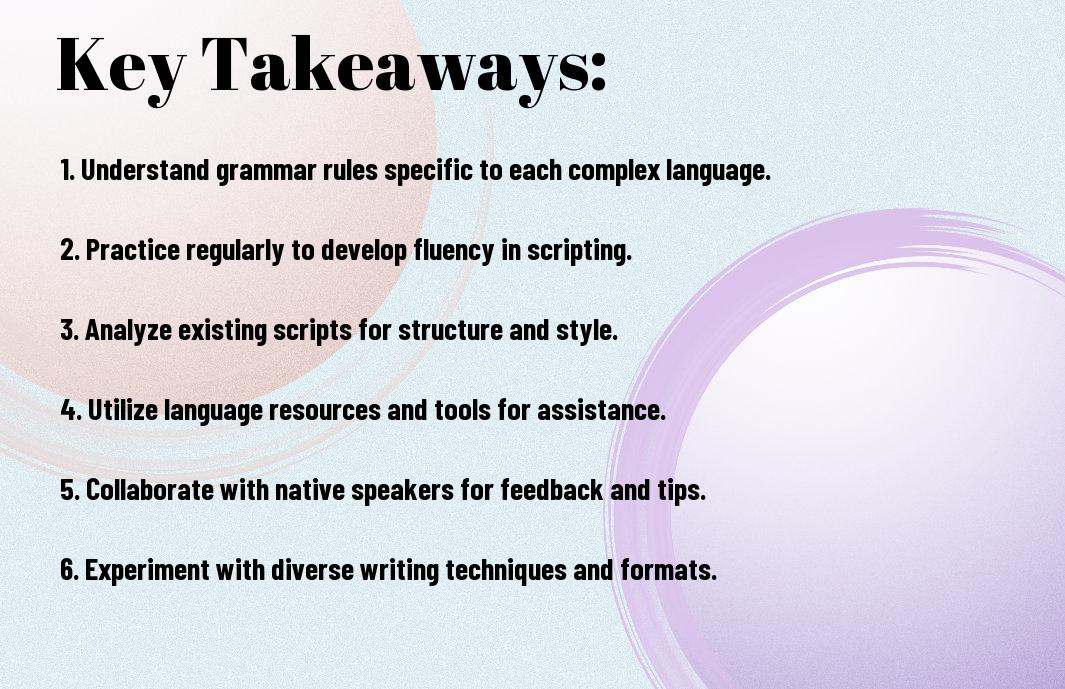
- Developing proficiency in multiple languages is vital for a career in interpreting, as it enables you to understand and convey complex information accurately.
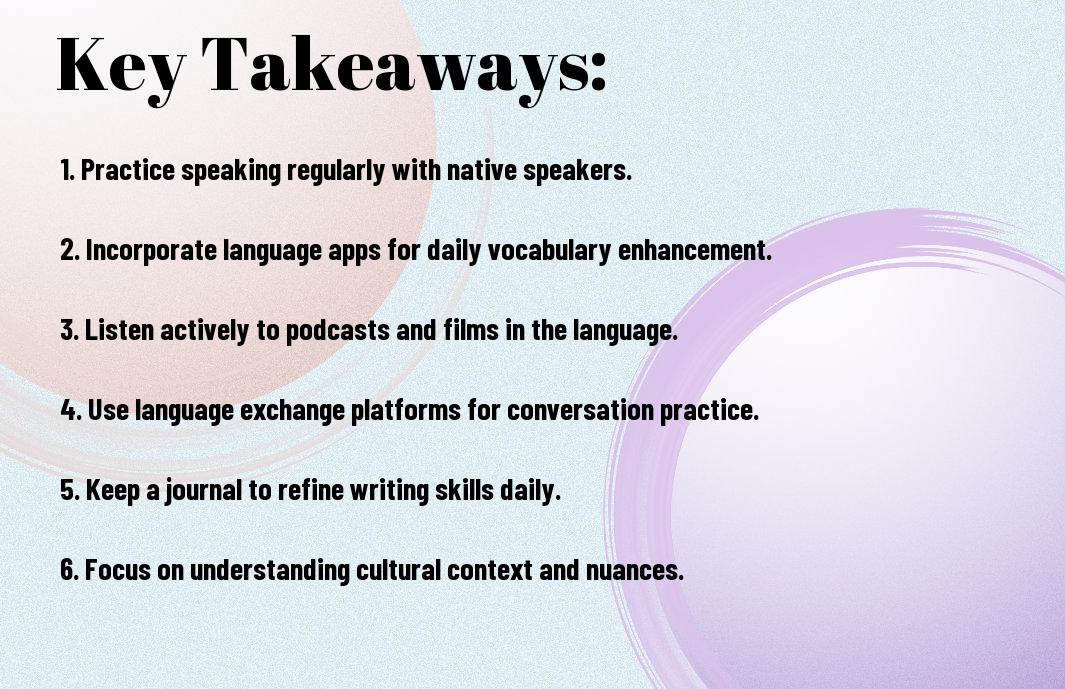
- Immersion in the language and culture is an effective way to learn, as it allows you to pick up nuances and expressions that may not be taught in a classroom setting.
- Focusing on specialized vocabulary and terminology related to your area of interest, such as law or medicine, can help you become a skilled interpreter in a specific field and increase your job prospects.
Choosing the Right Language
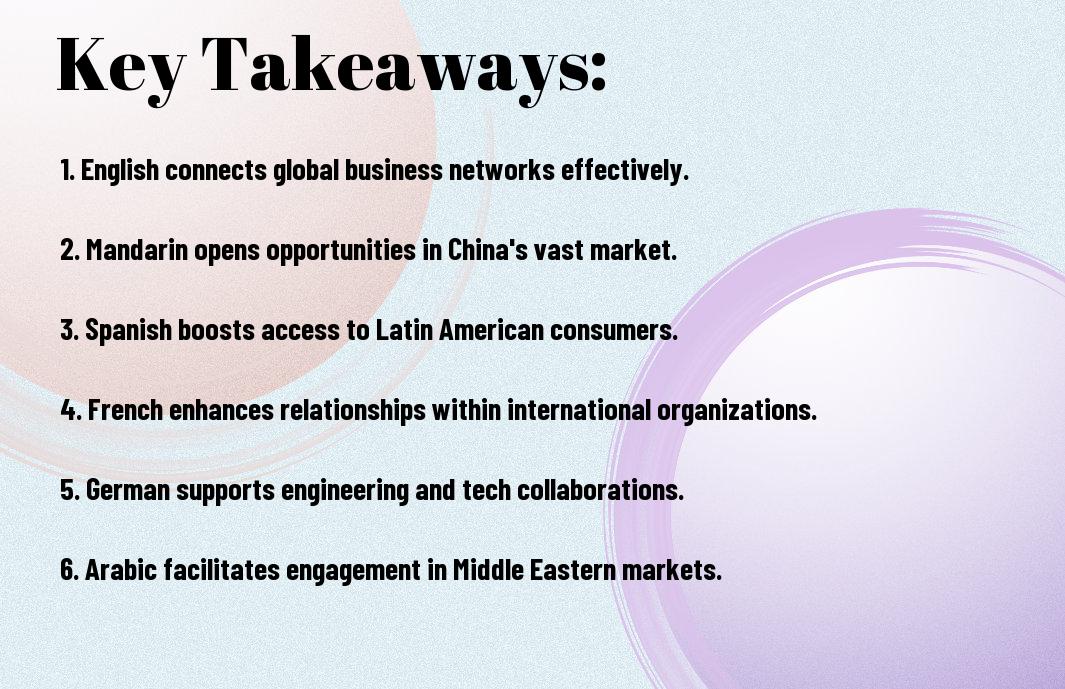
A key step in becoming an interpreter is selecting a language that aligns with your career objectives. You will need to consider various factors, including your native language, the demand for certain languages, and your personal interests. This decision will impact your future career opportunities and the level of competition you will face.
Identifying Your Interpreting Goals
Beneath the surface of your decision to become an interpreter lies a set of goals that will guide your language choice. You should assess your motivation for pursuing an interpreting career and what you hope to achieve, as this will help you narrow down your options and choose a language that is in demand and aligns with your aspirations.
Researching Language Demand
Guided by your goals, you will need to investigate the demand for different languages in the interpreting industry. You can explore job listings, industry reports, and professional organizations to determine which languages are most sought after and where the opportunities are greatest.
To further your understanding of language demand, you will want to examine the specific industries and settings where interpreters are needed, such as healthcare, law, or international business. You can also look into the growth prospects of different languages and the level of competition in each field, allowing you to make an informed decision about which language to pursue and how to position yourself for success in your interpreting career.

Language Learning Fundamentals
Assuming you have a passion for languages, your journey to becoming an interpreter starts with building a strong foundation. You will need to develop your language skills to accurately convey messages between languages.
Grammar and Syntax Basics
The key to understanding any language is mastering its grammar and syntax. You will need to study the rules that govern sentence structure, verb conjugation, and tense to express yourself effectively in your target language.
Vocabulary Building Techniques
Learning new words and phrases is important for expanding your language skills. You can start by learning common phrases, idioms, and expressions used in everyday conversations, and gradually move on to more specialized terminology relevant to your interpreting career.
Plus, as you continue to build your vocabulary, you will find that your comprehension and communication skills improve significantly, enabling you to interpret complex ideas and nuances with precision and accuracy, which is vital for a successful interpreting career, and you will be able to tailor your learning to focus on the specific areas of specialization you are interested in, such as legal, medical, or business interpreting.
Immersion and Practice
For aspiring interpreters, consistent practice is imperative to develop your language skills and gain proficiency in a target language.
Surrounding Yourself with the Language
Across various platforms, you can access language learning materials, such as TV shows, podcasts, and social media, to immerse yourself in the language and get accustomed to its rhythm and nuances.
Finding Language Exchange Partners
Before you start searching, consider what you hope to achieve from a language exchange and what you can offer in return, to find a suitable partner who shares your goals and motivated to help you improve.
Practice conversing with your language exchange partner regularly, focusing on your weakest areas, and you will see significant improvement in your language skills over time, allowing you to become a proficient interpreter and achieve your career goals.
Interpreting Skills Development
Your journey to becoming a skilled interpreter involves developing a range of skills, including note-taking, memory techniques, and active listening, all of which are important for effective communication in your interpreting career.
Note-taking and Memory Techniques
After mastering language fundamentals, you will need to focus on developing your note-taking and memory skills to accurately capture and convey information during interpreting assignments, helping you to effectively process and retain large amounts of information.
Improving Active Listening
Interpreting requires you to focus intensely on the speaker, concentrating on their words, tone, and body language to ensure that you convey their message accurately, and developing your active listening skills will enable you to pick up on nuances and subtleties that might otherwise be missed.
Indeed, as you work on improving your active listening skills, you will find that your ability to interpret effectively also improves, allowing you to better understand the speaker’s intended meaning and convey it in a way that is clear and accurate, which is important for building trust and credibility with your clients and stakeholders, and you will become a more confident and competent interpreter.

Specialized Training and Certification
Unlike other language careers, interpreting requires highly specialized training and certification to ensure your success. You will need to acquire specific skills and knowledge to become a competent interpreter.
Enrolling in Interpreting Courses
Interpreting courses will provide you with the foundation you need to develop your language skills and learn about the interpreting process. You will learn about different interpreting modes, such as consecutive and simultaneous interpreting, and practice your skills in a supportive environment.
Obtaining Professional Certification
Above all, certification is imperative to demonstrate your proficiency as an interpreter. You will need to meet specific requirements and pass a certification exam to obtain professional certification, which will open up more job opportunities for you.
Even if you have completed your training, obtaining professional certification can be a challenging process. You will need to prepare thoroughly for the certification exam, practicing your interpreting skills and learning about industry standards and ethics. By investing time and effort into your certification, you will be able to demonstrate your expertise and enhance your career prospects as an interpreter.
Staying Motivated and Focused
Keep your motivation levels high by tracking your progress, celebrating small victories, and rewarding yourself for milestones achieved. This will help you stay focused on your goal of becoming an interpreter.
Setting Achievable Goals and Deadlines
Once you have set your overall goal, break it down into smaller objectives, creating a roadmap to success. Outline specific tasks and timelines, making sure they are realistic and achievable, allowing you to stay on track and monitor your progress.
Using Technology to Enhance Learning
Similarly to deadlines, utilizing digital tools can significantly enhance your learning experience. You can access language learning apps, online courses, and practice interpreting with multimedia resources, making your learning more engaging and efficient.
Even with a busy schedule, you can fit in language practice using your smartphone or computer, accessing a wide range of language learning resources and tools, such as podcasts, videos, and interactive exercises, to help you improve your interpreting skills and stay motivated.
Final Words
With these considerations, you will be well-prepared to begin on your journey to learn languages for interpreting careers. You can develop your skills through practice, dedication, and persistence. As you progress, your proficiency will improve, enabling you to effectively communicate and interpret in your chosen language. By following these guidelines, you will enhance your chances of success in this rewarding field, and your career as an interpreter will flourish. Your hard work will pay off, and you will become a skilled language interpreter.
FAQ
Q: What are the best language learning methods for a career in interpreting?
A: To become a skilled interpreter, it’s imperative to focus on developing your language proficiency through a combination of formal education, self-study, and practice. Enroll in language courses that emphasize speaking, listening, reading, and writing skills. Utilize online resources, such as language learning apps and podcasts, to supplement your learning. Additionally, engage in conversations with native speakers, watch TV shows and movies in the target language, and read books and news articles to improve your comprehension and vocabulary.
Q: How can I improve my interpretation skills and gain practical experience?
A: Improving your interpretation skills requires consistent practice and exposure to real-world scenarios. Start by interpreting for friends, family, or volunteers, and gradually move on to more complex situations. You can also participate in language exchange programs, attend workshops and conferences, and join online communities of interpreters to learn from their experiences. Consider volunteering or internships with organizations that provide interpretation services to gain hands-on experience and build your professional network.
Q: What are the most important skills and certifications required for a successful interpreting career?
A: To succeed as an interpreter, you’ll need to possess excellent language skills, cultural knowledge, and the ability to think on your feet. Focus on developing your note-taking, concentration, and public speaking skills, as well as your ability to work well under pressure. Consider obtaining certifications, such as the Certified Interpreter (CI) or the Diplomas in Public Service Interpreting (DPSI), to demonstrate your expertise and commitment to the profession. Staying up-to-date with industry developments and continually improving your skills through ongoing education and training is also vital for a successful interpreting career.