To tackle the challenge of language learning, you will need a tailored approach that suits your needs. As you begin on this journey, you will discover that a personalized system is important for achieving fluency. You can start by exploring existing methods and tools, such as learning how to Create Your Own Language App That Stands Out and Succeeds, and then adapt them to fit your goals and learning style, allowing you to stay focused and motivated throughout the process.
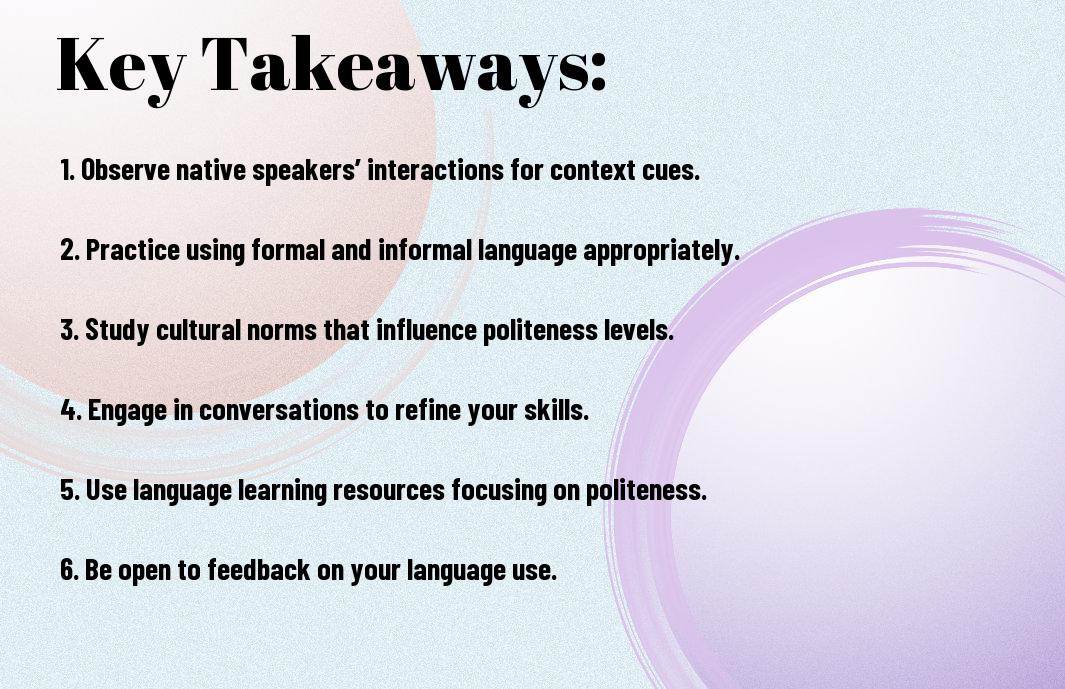
Key Takeaways:
To develop an effective language learning system, consider the following points:
- Set clear goals and define your motivation for learning a new language, as this will help you stay focused and motivated throughout the learning process.
- Develop a personalized learning plan that incorporates a variety of resources, such as textbooks, language learning apps, and immersion activities, to keep your learning engaging and dynamic.
- Establish a consistent learning routine and track your progress regularly, using tools like flashcards and language journals to monitor your improvement and make adjustments as needed.
Setting Goals
The first step in creating your own language learning system is to set realistic and achievable goals. You need to define what you want to accomplish and by when. This will help you stay focused and motivated throughout the learning process.
Defining Language Proficiency
Beneath the surface of language learning lies the need to define your desired level of proficiency. You must determine what level of fluency you aim to achieve, whether it’s basic, intermediate, or advanced, and tailor your goals accordingly.
Creating a Personalized Learning Plan
Generally, your goals will serve as the foundation for your learning plan. You will use these objectives to create a customized plan that suits your learning style, schedule, and preferences, ensuring that you make the most of your time and effort.
Considering your learning style, schedule, and preferences, you will be able to create a personalized plan that allows you to make steady progress towards your goals. You will be able to identify the most effective methods and materials for your needs, and make adjustments as necessary to stay on track and overcome any obstacles that may arise during the learning process.


Choosing Learning Materials
It is important to select materials that fit your learning style and goals. You will need to consider what resources are available and which ones will help you achieve your objectives.
Textbooks and Language Courses
Beneath the surface of language learning lies a wealth of textbooks and courses. You can find these at your local bookstore or library, and they often provide a comprehensive introduction to your target language.
Online Resources and Apps
Alongside traditional learning methods, you have a vast array of online resources and apps at your disposal. You can utilize these to supplement your learning and practice your language skills in a more interactive way.
Apps like language learning platforms and podcasts offer you a convenient and engaging way to learn a new language. You can use them to practice listening, speaking, reading, and writing, and they often provide personalized feedback and tracking tools to help you monitor your progress. As you explore these resources, you will find that they can be a valuable addition to your language learning system, helping you to stay motivated and consistent in your studies.
Developing a Study Routine
Now that you have set your language learning goals, it’s time to create a study routine that suits your needs. Your routine should be realistic and allow for consistent progress.
Scheduling and Time Management
By allocating specific times for study, you can ensure that language learning becomes an integral part of your daily life. You should schedule your study sessions in your calendar and commit to them.
Setting Achievable Milestones
Milestones are necessary to track your progress and stay motivated. You will need to set specific, achievable milestones that align with your language learning goals, allowing you to measure your progress.
Another key aspect of setting achievable milestones is to make them challenging yet attainable. You should break down your long-term goals into smaller, manageable tasks that you can accomplish on a daily or weekly basis, giving you a sense of accomplishment and encouraging you to continue with your language learning journey.
Immersion and Practice
After laying the foundation of your language learning system, it’s time to focus on immersion and practice. You’ll need to surround yourself with the language as much as possible to improve your skills.
Surrounding Yourself with the Language
Prior to making significant progress, you should expose yourself to the language daily, listening to music, watching TV shows, and speaking with native speakers to get used to its rhythm and pronunciation.
Finding Language Exchange Partners
Exchanging languages with someone is an effective way to practice your speaking skills, and you can find language exchange partners online or in your community, allowing you to engage in conversations and learn from each other.
Yourself immersed in the language, you’ll start to notice improvements in your comprehension and ability to express yourself, and finding a language exchange partner will help you to stay motivated and accountable, as you’ll have someone to share your progress with and learn from their experiences, making the learning process more enjoyable and rewarding for you.
Tracking Progress
Unlike other language learning methods, creating your own system allows you to monitor your progress effectively. You can identify areas that need improvement and adjust your approach accordingly, making your learning process more efficient.
Keeping a Language Learning Journal
Besides regular assessments, keeping a language learning journal helps you track your progress over time. You can write down new vocabulary, grammar rules, and reflections on your learning experience, enabling you to see how far you’ve come.
Using Language Learning Metrics
Alongside your journal, using language learning metrics provides valuable insights into your progress. You can measure your proficiency in reading, writing, speaking, and listening, giving you a clear picture of your strengths and weaknesses.
Plus, by using metrics such as fluency ratings, vocabulary acquisition, and grammar mastery, you can set realistic goals and celebrate your achievements, motivating you to continue improving your language skills. You can also use these metrics to compare your progress over time, identifying patterns and areas where you need to focus your efforts, and making adjustments to your learning system as needed.
Overcoming Obstacles
Not every obstacle you will face while creating your language learning system will be straightforward, but with persistence, you can overcome them and continue making progress.
Dealing with Motivation and Burnout
Along the way, you will encounter periods where your motivation wanes, and you may feel like giving up, but it’s vital to push through these challenging times to achieve your goals.
Seeking Help and Support
Among the resources available to you, online communities and language exchange partners can provide valuable assistance and encouragement when you need it most, helping you stay on track with your language learning system.
Seeking help from others can be a significant factor in your success, as it allows you to gain new insights, practice your language skills, and stay motivated, and you should not hesitate to reach out to others when you need guidance or support, as this will ultimately help you to refine your language learning system and achieve your objectives more efficiently.
Conclusion
With this in mind, you now have the tools to create your own language learning system. You can tailor your approach to suit your needs, using a combination of methods to achieve your goals. Your system will be unique, reflecting your learning style and preferences. As you proceed, you will refine your approach, making adjustments as needed, and ultimately, you will become proficient in your target language. You will have taken control of your learning, and the sense of accomplishment will be yours.
FAQ
Q: What are the key steps to create a personalized language learning system?
A: To create your own language learning system, start by setting specific, achievable goals and identifying your learning style. This involves understanding how you absorb information best, whether through visual, auditory, or kinesthetic means. Next, gather a variety of resources such as textbooks, language learning apps, podcasts, and TV shows or movies in the target language. Organize these resources into a structured schedule, ensuring a balance between grammar, vocabulary, listening, speaking, reading, and writing skills. Finally, practice consistently and track your progress to make adjustments as needed.
Q: How can I effectively incorporate practice and feedback into my language learning system?
A: Incorporating practice and feedback into your language learning system is important for improvement. Seek out language exchange partners, either in person or online, to practice speaking and listening. Writing journals or blogs in the target language can help improve writing skills, while reading materials such as news articles, books, or social media posts can enhance reading comprehension. For feedback, utilize online resources like language learning communities or hire a tutor who can correct grammar, pronunciation, and provide constructive feedback on your progress. Regular self-assessment and adjustment of your learning materials and strategies based on feedback will help tailor your system to your evolving needs.
Q: What role does immersion play in creating an effective language learning system, and how can it be achieved?
A: Immersion is a powerful tool in language learning, as it simulates the experience of living in a country where the target language is spoken. To achieve immersion, surround yourself with the language as much as possible. Listen to music, watch TV shows and movies without subtitles, and try to think in the target language. Change the language settings on your phone and computer to the language you’re learning, and spend time in environments where the language is spoken, such as language meetups or cultural events. Immersion helps to build instinctive comprehension and fluent expression, making it a key component of a successful language learning system.