You’re about to commence on a journey to study abroad, and your goal is to become proficient in a new language. As you immerse yourself in a foreign culture, you’ll have the perfect opportunity to learn. Your language skills will improve dramatically when you’re surrounded by native speakers. To get started, check out this guide on How to Learn a Language Fast and Fluently While Abroad and discover tips to enhance your experience.
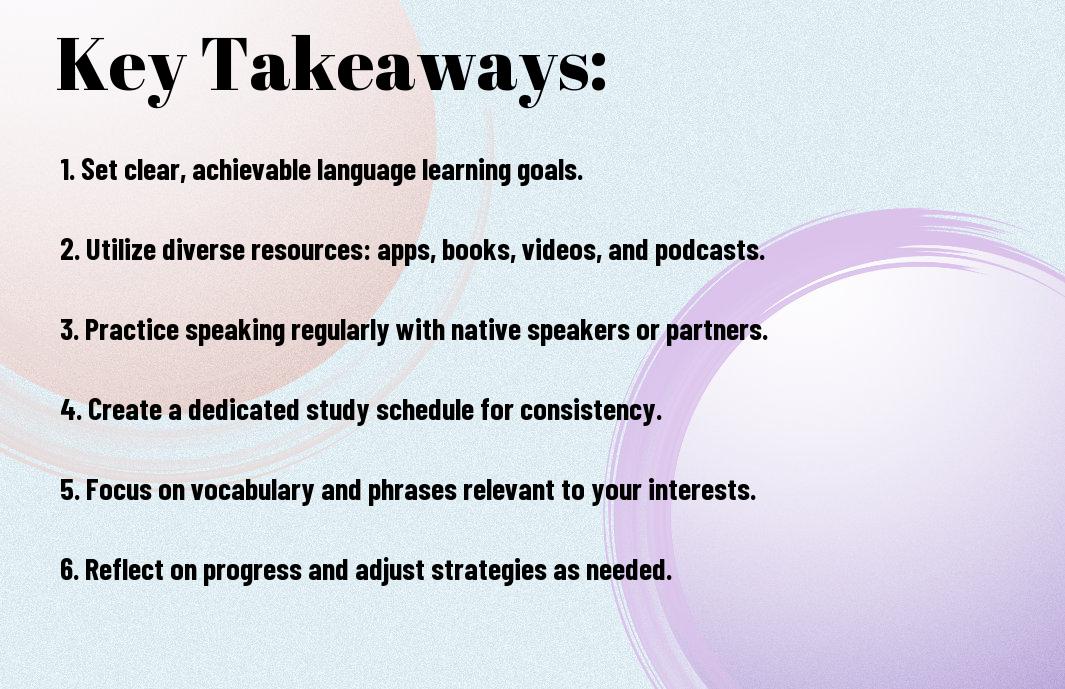
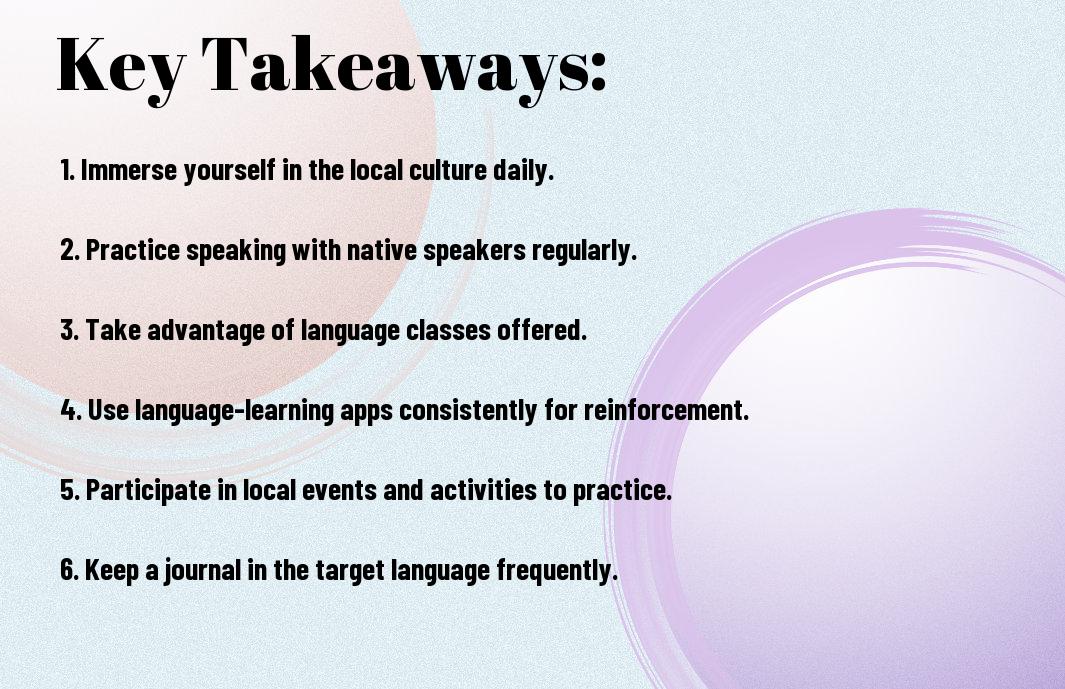
Key Takeaways:
To make the most out of your study abroad experience and effectively learn a language, consider the following points:
- Immerse yourself in the local culture by engaging with native speakers, trying traditional food, and participating in community events to get a deeper understanding of the language and its nuances.
- Take advantage of language classes or tutoring services offered by your university or local language schools to receive formal instruction and guidance on language learning.
- Use language learning apps and online resources to supplement your learning, practice consistently, and track your progress, making the most out of your study abroad experience.
Setting Language Goals
Before you start learning a language while studying abroad, define what you want to achieve. Your goals will guide your learning process and help you stay motivated.
Defining Your Motivation
To determine your motivation, ask yourself why you want to learn the language. Your reasons will help you set specific and achievable goals, making the learning process more efficient.
Assessing Your Current Level
Any language learner should evaluate their current language proficiency. You can take a language test or assess your skills by speaking with native speakers to identify areas for improvement.
Understanding your current level is key to setting realistic goals. You will be able to identify the gaps in your language skills and create a plan to fill them, allowing you to make steady progress and stay on track with your language learning journey while studying abroad.
Immersing in the Language
Any opportunity to immerse yourself in the language will be beneficial. You’ll pick up phrases, nuances, and expressions that’ll help you communicate more effectively.
Surrounding Yourself with the Language
Across the city, you’ll find signs, menus, and advertisements in the local language. You can use these to practice your reading skills and get used to the language in context.
Finding Language Exchange Partners
Linguistically, you’ll find that speaking with native speakers is one of the best ways to improve your language skills. You can join language exchange groups or attend events where you can meet locals.
Plus, when you find a language exchange partner, you can practice speaking and listening in a more informal setting, which will help you build confidence in your language abilities. You’ll be able to ask questions, clarify doubts, and learn more about the culture and customs of the country you’re studying in, making your experience even more rewarding.
Effective Learning Strategies
After settling into your new surroundings, focus on developing a study routine. You’ll find that consistent practice helps your language skills improve quickly.
Language Learning Tips and Tricks
Learning a new language while abroad can be challenging, but with the right approach, you’ll succeed. Here are some tips:
- Immerse yourself in the language
- Practice regularly
. After applying these tips, your language skills will improve significantly.
Using Language Learning Apps
Below are some effective tools to aid your language learning. You can use apps like Duolingo to practice your vocabulary and grammar.
Effective language learning apps can help you stay on track and motivated. You’ll find that using these apps in conjunction with your daily practice will help you reach your language goals. Effective use of these tools will make your language learning journey more efficient and enjoyable. You’ll be able to track your progress and identify areas that need improvement, allowing you to adjust your study routine accordingly.
Balancing Language Learning with Studies
Your studies abroad can be a great opportunity to learn a language, but it requires balance between language learning and academic responsibilities.
Managing Your Time Effectively
AFTER settling into your routine, you’ll need to allocate time for language learning, studying, and other activities to make the most of your experience.
Prioritizing Your Tasks
Among your many tasks, you must identify what needs to be done and focus on the most important ones, such as completing assignments and attending classes.
But as you prioritize your tasks, you’ll find that dedicating specific times for language learning, such as speaking with native speakers or practicing grammar, will help you make steady progress and achieve your goals.
Overcoming Challenges
All students studying abroad face obstacles, and you’re no exception. You’ll encounter difficulties, but with the right mindset, you can overcome them.
Dealing with Language Barriers
By being proactive, you can bridge the gap between languages. You’ll find that carrying a dictionary or using a translation app helps you communicate effectively.
Staying Motivated
At times, you’ll feel like giving up, but your goal is within reach. You must stay focused and keep practicing your language skills.
Challenges will arise, but as you persist, you’ll see improvement. You’ll start to think in your target language, and your confidence will grow. Your hard work will pay off, and you’ll become proficient in no time, making your study abroad experience even more enjoyable.

Cultural Integration
Not only will you be learning a language, but you’ll also be immersed in a new culture. You can find valuable insights from people who have gone through a similar experience, such as the Experience of moving abroad to learn a language discussion.
Exploring the Local Culture
Behind the language, there’s a rich culture waiting to be discovered. You’ll find that exploring local customs, traditions, and way of life will enhance your language learning experience.
Engaging with Native Speakers
Along with language classes, engaging with native speakers is key to improving your language skills. You’ll pick up nuances and slang that you won’t find in textbooks.
Indeed, as you engage with native speakers, you’ll start to feel more confident in your ability to communicate. You’ll begin to understand the rhythm and flow of the language, and your pronunciation will improve dramatically. You’ll also gain valuable insights into the local culture and way of life, which will help you to better understand the language and its many expressions.
Conclusion
Considering all points, you now have a solid foundation to learn a language while studying abroad. You’ll immerse yourself in the local culture, practice with native speakers, and explore your new surroundings. Your language skills will improve dramatically as you navigate everyday situations, making your experience abroad even more rewarding. You’ll take away a valuable skill and a newfound appreciation for the language and culture, enriching your life in the process.
FAQ
Q: What are the benefits of learning a language while studying abroad?
A: Learning a language while studying abroad provides numerous benefits, including improved academic performance, enhanced cultural immersion, and increased job opportunities. By studying in a foreign country, you will be surrounded by the language and have ample opportunities to practice speaking, listening, reading, and writing. This immersion will help you develop a deeper understanding of the language and its nuances, allowing you to communicate more effectively with locals and navigate everyday situations with ease. Additionally, being able to speak the local language will open up more job opportunities and give you a competitive edge in the global job market.
Q: How can I balance language learning with my academic coursework while studying abroad?
A: Balancing language learning with academic coursework requires effective time management and prioritization. Set aside dedicated time each day or week to focus on language learning, whether it’s attending language classes, practicing with a language exchange partner, or using online resources. It’s also crucial to integrate language learning into your daily routine, such as watching TV shows or movies in the target language, listening to podcasts or music, or reading books and articles. By making language learning a part of your daily routine, you can make steady progress without compromising your academic performance. Furthermore, many universities offer language support services, such as language classes or tutoring, to help international students improve their language skills.
Q: What are some effective ways to practice a language while studying abroad, outside of the classroom?
A: There are numerous ways to practice a language while studying abroad, outside of the classroom. One effective way is to find a language exchange partner, either through a language exchange program or by joining a language meetup group. This will give you the opportunity to practice speaking and listening with a native speaker, while also helping them practice your native language. You can also join clubs or organizations that align with your interests, where you can interact with locals and practice your language skills in a natural setting. Additionally, you can try to avoid speaking your native language as much as possible, and instead, surround yourself with the target language by watching local TV, listening to local music, and using social media in the target language. By taking advantage of these opportunities, you can accelerate your language learning and become more confident in your ability to communicate in the target language.