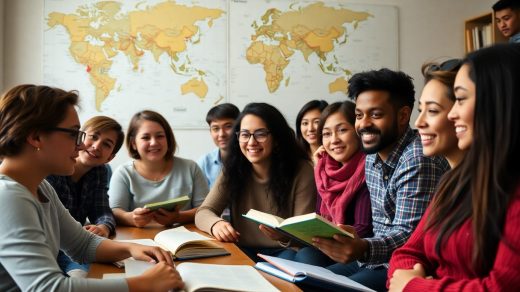
Communication is the key to mastering a new language, and language exchange programs offer a unique opportunity for you to immerse yourself in a different culture while practicing your language skills. By connecting with native speakers, you can improve your fluency, cultural competency, and gain valuable insights that textbooks alone can’t provide. In this blog post, we will explore the significance of language exchange programs in your language learning journey.
Key Takeaways:
- Opportunity for practice: Language exchange programs provide learners with a structured platform to practice speaking and listening skills with native speakers.
- Cultural immersion: Engaging in language exchange programs can offer insights into the culture and customs of the target language, enhancing overall language learning experience.
- Mutual benefit: Both participants in a language exchange program can benefit from learning each other’s language, creating a symbiotic relationship that fosters learning and understanding.


The Concept of Language Exchange Programs
Definition and History
History: Language exchange programs have a rich history dating back decades. These programs were initially created to provide individuals with the opportunity to practice and improve their language skills through real-life conversations with native speakers. The concept of language exchange is based on the principle of reciprocal learning, where two individuals teach each other their native languages in a mutually beneficial exchange.
Types of Language Exchange Programs
This table breaks down the different types of language exchange programs:
| Language Exchange Program Type | Description |
| Tandem Language Learning | Participants pair up based on their native languages and take turns practicing each other’s language. |
| Language Exchange Meetups | Organized gatherings where individuals meet in person to practice speaking different languages. |
| Online Language Exchange Platforms | Websites and apps that connect language learners worldwide for virtual language exchange sessions. |
| Language Exchange Pen Pals | Participants communicate through written letters or emails to improve their language skills. |
| Language Exchange Programs Abroad | Immersive programs where individuals travel to a foreign country to learn the language and culture firsthand. |
Through these diverse types of language exchange programs, you can choose the one that best suits your learning style and preferences. Though each program may have a slightly different approach, the common goal is to provide you with the opportunity to practice and improve your language skills in a practical and engaging way.
Benefits of Language Exchange Programs
Improved Pronunciation and Fluency
Even for advanced language learners, perfecting pronunciation and fluency can be a challenging task. Language exchange programs offer a unique opportunity to practice with native speakers in a natural, conversational setting. By engaging in regular conversations, you can pick up on the nuances of the language, improve your accent, and enhance your fluency.
Enhanced Vocabulary and Grammar
Language exchange programs provide an excellent platform to expand your vocabulary and refine your grammar skills. Through interactions with native speakers, you can learn colloquial expressions, idiomatic phrases, and grammatical structures that may not be found in textbooks. This hands-on approach to learning allows you to contextualize new words and grammar rules, making them easier to remember and apply in real-life situations.
Language exchange programs encourage you to step out of your comfort zone and practice using the language in authentic scenarios. As you engage in conversations on various topics, you will naturally encounter new words and phrases, expanding your vocabulary organically.
Cultural Immersion and Awareness
Another key benefit of language exchange programs is the opportunity for cultural immersion and awareness. Language is deeply intertwined with culture, and by interacting with native speakers, you not only learn the language but also gain insights into their traditions, customs, and way of life. This holistic approach to language learning helps you develop a deeper understanding and appreciation for different cultures.
To truly immerse yourself in a language and its culture, you can participate in cultural activities, attend events, or even travel to countries where the language is spoken. This firsthand experience enriches your language learning journey and broadens your perspective on the world.
How Language Exchange Programs Facilitate Language Learning
Interactive and Engaging Learning Experience
Unlike traditional classroom settings, language exchange programs provide you with a unique opportunity to engage in real-life conversations with native speakers or proficient learners of the language you are trying to acquire. This interactive experience allows you to practice your speaking and listening skills in a more natural and dynamic way, making the learning process more enjoyable and effective.
Personalized Feedback and Correction
Correction:
Language exchange partners can give you instant feedback on your pronunciation, grammar, and vocabulary usage during your conversations. This immediate correction helps you to identify and correct mistakes as you make them, reinforcing proper language patterns and structures in your mind.
Additionally, your language exchange partner can tailor their feedback to address your specific areas of weakness, providing you with personalized guidance for improvement.
Building Confidence and Reducing Anxiety
Engaging:
Feedback from your language exchange partner can boost your confidence by acknowledging your progress and pointing out areas where you excel. This positive reinforcement can help to alleviate the anxiety often associated with making mistakes in a new language, creating a supportive environment for your language learning journey.
This combination of constructive feedback and encouragement can empower you to take risks in your language practice and become more comfortable expressing yourself in real-world situations.

The Role of Technology in Language Exchange Programs
For language learners, technology has revolutionized the way we engage in language exchange programs. Online platforms and apps have made connecting with native speakers around the world easier than ever before.
Online Platforms and Apps
Programs like Tandem, HelloTalk, and iTalki have provided language learners with a virtual space to practice speaking, writing, and even video chatting with native speakers. These platforms offer a more informal and relaxed environment for language practice, allowing you to exchange language tips, cultural insights, and build friendships with speakers of your target language.
Virtual Reality and Gamification
Reality can take your language learning experience to the next level by immersing you in a virtual environment where you can practice real-life scenarios. Gamification elements make learning fun and engaging, whether through interactive quizzes, role-playing games, or language challenges.
With the integration of AI technology, virtual reality platforms can provide personalized feedback, track your progress, and tailor lessons to your specific learning needs. This interactive and immersive approach can make language learning feel more like an adventure rather than a task.
Accessibility and Convenience
One of the key advantages of technology in language exchange programs is the accessibility and convenience it offers. With just a few clicks, you can connect with language partners from around the globe, schedule video calls at your convenience, and practice languages anytime, anywhere.
One additional benefit is the flexibility to choose partners based on your interests, proficiency level, and preferred language exchange format. Whether you prefer texting, voice messages, or video calls, online platforms provide a range of options to suit your learning style.
Overall, technology has transformed language exchange programs, making them more engaging, interactive, and accessible than ever before. Online platforms, virtual reality, and gamification elements have enhanced the language learning experience, allowing you to connect with native speakers, practice real-life scenarios, and improve your proficiency in a fun and convenient way.
Challenges and Limitations of Language Exchange Programs
Finding a Suitable Language Partner
To find a suitable Language Partner for your language exchange program, visit this link to get started. It can be a challenge to find someone who is willing to commit the same amount of time and effort to the language exchange as you are. Additionally, you may encounter difficulties in finding a partner whose language goals align with your own. Keep in mind that patience and flexibility are key when searching for the right Language Partner.
Time Zone and Scheduling Conflicts
Any language exchange program can face challenges due to time zone differences and scheduling conflicts. Coordinating a time that works for both you and your Language Partner can be tricky, especially if you are in different parts of the world. It’s necessary to set clear expectations from the beginning and communicate effectively to find a schedule that suits both of your availabilities.
Language exchange programs can be immensely rewarding but may also come with challenges. Time zone differences and scheduling conflicts are common hurdles that participants encounter. Finding a suitable time to connect with your Language Partner can be a significant barrier. However, with open communication and mutual understanding, you can navigate through these challenges and make the most out of your language exchange experience. Recall, the journey to language proficiency is a process that requires effort and dedication.
Language Barriers and Miscommunication
On your language exchange journey, you may come across language barriers and miscommunication with your Language Partner. Differences in fluency levels can lead to misunderstandings, and cultural nuances may not always be easily understood. It’s important to approach these challenges with patience and a willingness to learn from your mistakes. Remember that communication is a two-way street, and both you and your partner can benefit from clarifying doubts and improving language skills together.
Best Practices for Effective Language Exchange
Setting Realistic Goals and Expectations
Now, when engaging in a language exchange program, it is crucial to set realistic goals and expectations for yourself. Language learning is a gradual process that requires time and dedication, so be honest with yourself about what you hope to achieve. Setting achievable goals can help keep you motivated and on track during your language exchange sessions.
Creating a Language Learning Plan
An effective way to make the most out of your language exchange experience is by creating a structured language learning plan. This plan can include specific areas you want to focus on, such as vocabulary, grammar, or conversational skills. Allocate time for each aspect and set milestones to track your progress.
With a well-thought-out language learning plan, you can ensure that you cover all necessary areas for improvement and make the most of your language exchange sessions. Tailoring the plan to your learning style and goals can significantly enhance the effectiveness of the language exchange program.
Being Open-Minded and Flexible
Best practices for a successful language exchange include being open-minded and flexible during the sessions. Language learning is a two-way street, and being receptive to feedback and corrections from your language partner is crucial for growth. Embrace the opportunity to learn from each other’s language and cultural differences.
Being open-minded and flexible allows you to adapt to different learning styles and teaching methods, making the language exchange experience more dynamic and enriching. It also fosters a collaborative and supportive environment where both participants can benefit mutually from the language exchange.
Conclusion
So, language exchange programs play a significant role in language learning by providing a practical and interactive way to practice a new language. Through these programs, you can immerse yourself in the language, culture, and customs of native speakers, allowing you to improve your language skills rapidly and effectively. By engaging in conversations, sharing experiences, and receiving constructive feedback from native speakers, you can gain confidence and fluency in the language you are learning.
Furthermore, language exchange programs offer a unique opportunity for cultural exchange and building international connections. By connecting with people from different backgrounds and learning about their perspectives, you not only improve your language skills but also gain a deeper understanding of different cultures and ways of thinking. So, whether you are a beginner or an advanced learner, participating in language exchange programs can greatly enhance your language learning experience and broaden your horizons.
Q: What are language exchange programs?
A: Language exchange programs are platforms where individuals can connect with native speakers of a foreign language to practice speaking, listening, and learning the language informally.
Q: How do language exchange programs help in language learning?
A: Language exchange programs provide an opportunity for language learners to practice their speaking skills with native speakers, improve their pronunciation, learn colloquial expressions, and gain cultural insights that are not typically taught in traditional classroom settings.
Q: What are the benefits of participating in language exchange programs?
A: Participating in language exchange programs can help language learners improve their fluency, confidence in speaking, cultural understanding, and build connections with people from different parts of the world. It also offers a more personalized and interactive approach to language learning compared to traditional methods.