As you initiate on your language learning journey, you may encounter a common obstacle: language learning anxiety. You may feel nervous about speaking, worried about making mistakes, or intimidated by native speakers. Your anxiety can hinder your progress and prevent you from reaching your full potential. However, with the right strategies and mindset, you can overcome your anxiety and become a confident language learner, unlocking a world of new opportunities and experiences. You will learn how to manage your anxiety and improve your language skills.
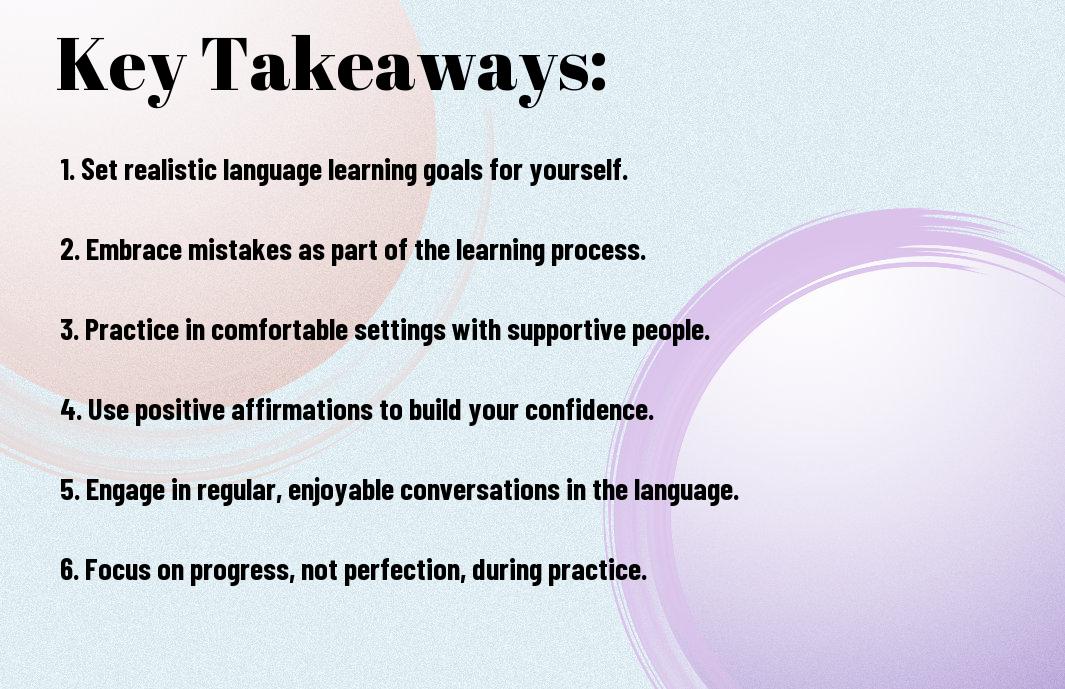
Key Takeaways:
To overcome language learning anxiety, consider the following points:
- Develop a growth mindset by viewing challenges as opportunities for improvement, rather than threats to ego or self-image, which can help to reduce anxiety and foster a more positive attitude towards language learning.
- Improve your self-efficacy by setting realistic goals, celebrating small achievements, and focusing on progress rather than perfection, allowing you to build confidence in your language abilities.
- Practice relaxation techniques such as deep breathing, meditation, or yoga to manage anxiety and stress, creating a more conducive learning environment and enhancing your overall well-being as a language learner.
Recognizing Anxiety
Before you can overcome language learning anxiety, you need to understand what it is and how it affects you. You can find more information on Overcoming Foreign Language Speech Anxiety to help you get started.
Identifying the Signs
For instance, you may experience physical symptoms such as a racing heart or sweating when speaking in a foreign language. You can identify these signs to better understand your anxiety.
Acknowledging the Fears
Above all, you need to acknowledge your fears and concerns about language learning. You must accept that it’s normal to feel anxious when speaking a new language.
Consequently, as you acknowledge your fears, you’ll be able to address them more effectively. You’ll be able to develop strategies to manage your anxiety and improve your language skills, allowing you to become a more confident language learner.
Setting Realistic Goals
One of the most effective ways to overcome language learning anxiety is to set achievable objectives. By doing so, you can track your progress and stay motivated, which helps to build confidence in your language skills.
Breaking Down Barriers
Reasonable expectations help you to focus on making gradual improvements, allowing you to overcome obstacles that may have previously seemed insurmountable, and you will begin to see yourself making steady progress in your language learning journey.
Celebrating Small Wins
Barring none, acknowledging and celebrating your small achievements is crucial to maintaining a positive mindset, as you work towards your language learning goals, you will find that your anxiety starts to fade away.
Due to the fact that you are consistently making progress and celebrating your small victories, you will start to feel more confident in your ability to learn and use the language, and this will help you to stay motivated and engaged throughout the learning process, helping you to overcome language learning anxiety and achieve your goals.
Creating a Supportive Environment
To create an environment conducive to language learning, you can explore various strategies, such as those outlined in effective strategies to overcome foreign language anxiety, to help you stay motivated and focused.
Finding Language Learning Communities
Around you, there are numerous language exchange programs and online forums where you can connect with fellow learners and native speakers, making your learning journey more enjoyable and interactive.
Building a Network of Encouragers
With a strong support system, you can overcome language learning anxiety and stay committed to your goals, as you surround yourself with people who encourage and motivate you to improve your language skills.
This network of encouragers can provide you with valuable feedback, help you set realistic goals, and celebrate your progress, making your language learning experience more rewarding and helping you to stay on track, as you work towards becoming proficient in your target language, and you can achieve this by joining language clubs, attending language events, or participating in online language learning communities, where you can meet like-minded individuals who share your interests and goals.

Developing a Growth Mindset
Despite the challenges you may face, developing a growth mindset is vital for overcoming language learning anxiety. You can achieve this by believing that your abilities can be developed through dedication and hard work.
Embracing Mistakes as Learning Opportunities
Across various language learning contexts, you will encounter mistakes, but you can use them as opportunities to learn and improve your skills, allowing you to grow as a learner.
Focusing on Progress, Not Perfection
With each step you take towards your language learning goals, focus on the progress you make, rather than striving for perfection, and you will find that your anxiety decreases and your confidence grows.
Perfection is an unattainable goal, and striving for it can lead to frustration and Burnout. Instead, you should focus on making progress, celebrating small victories, and using them as motivation to continue learning and improving your language skills. By doing so, you will develop a more positive and resilient mindset, which will help you navigate the challenges of language learning with greater ease and confidence.
Practicing Relaxation Techniques
All language learners face anxiety, but you can overcome it by practicing relaxation techniques. This helps you manage stress and stay focused on your goals. You will feel more confident and motivated to continue learning.
Breathing Exercises for Calmness
The key to relaxation is slow, deep breathing. You can practice breathing exercises to calm your mind and body, preparing you for language learning challenges. This simple technique helps you stay focused and composed.
Visualization for Confidence Boost
After mastering breathing exercises, you can move on to visualization techniques. You can imagine yourself successfully communicating in your target language, which boosts your confidence and reduces anxiety. This technique helps you prepare for real-life conversations.
Practicing visualization regularly, you will become more comfortable with your language skills, and your anxiety will decrease. You can visualize yourself in different scenarios, such as ordering food or participating in a conversation, and imagine how you would handle them confidently. This technique helps you build mental resilience and develop a positive mindset, vital for overcoming language learning anxiety.
Embracing Cultural Immersion
Unlike other language learning methods, embracing cultural immersion helps you connect with the language on a deeper level, making it easier to overcome anxiety and improve your skills.
Surrounding Yourself with the Language
With constant exposure to your target language, you’ll become more comfortable and confident in your ability to understand and communicate, making language learning feel more manageable and enjoyable for you.
Engaging with Native Speakers
With each conversation with a native speaker, you’ll gain valuable insights into the language and culture, helping you to build your skills and overcome anxiety in a supportive and interactive environment, tailored to your needs and goals.
Understanding the nuances of language and cultural differences is key to successful communication, and engaging with native speakers allows you to learn from their experiences, perspectives, and everyday expressions, enabling you to develop a more authentic and personal connection with the language, and ultimately, to become a more confident and proficient language user, capable of expressing yourself effectively in various situations.
Summing up
So, you have learned various strategies to manage your language learning anxiety. You understand that acknowledging your feelings and setting realistic goals can help you stay motivated. By practicing relaxation techniques and seeking support, you can build confidence in your language skills. As you progress, your anxiety will decrease, and you will become a more effective language learner, able to reach your full potential and achieve your goals.
FAQ
Q: What causes language learning anxiety and how can I identify it in myself?
A: Language learning anxiety can stem from various factors such as fear of making mistakes, fear of being judged, or past experiences of failure. To identify language learning anxiety in yourself, look out for symptoms like avoidance of speaking or writing in the target language, physical symptoms such as a racing heart or sweating when attempting to communicate, or a general feeling of apprehension when faced with language learning tasks. Recognizing these signs is the first step towards overcoming language learning anxiety.
Q: What strategies can help me manage and reduce language learning anxiety?
A: Several strategies can help manage and reduce language learning anxiety. One effective approach is to set achievable goals and celebrate small successes, which can help build confidence and motivation. Additionally, practicing relaxation techniques such as deep breathing, meditation, or yoga can help reduce anxiety levels. Engaging in regular, low-stakes interactions with native speakers, such as through language exchange programs or informal conversations, can also help desensitize you to the anxiety of communicating in the target language. Furthermore, focusing on the process of learning rather than perfection can help shift your mindset and make the learning experience more enjoyable.
Q: How can I create a supportive environment that fosters language learning and helps alleviate anxiety?
A: Creating a supportive environment is key to alleviating language learning anxiety. Surround yourself with positive and encouraging people who support your language learning goals. This could include language exchange partners, tutors, or online communities of fellow learners. Using positive self-talk and affirmations can also help reinforce a growth mindset and reduce self-criticism. Additionally, make your learning space comfortable and conducive to learning, free from distractions and stressors. Utilizing technology, such as language learning apps or videos, can also provide a sense of control and flexibility, allowing you to learn at your own pace and review material as needed, which can help alleviate feelings of anxiety and overwhelm.
