simon weiner

The Science of Retaining Language Knowledge

As you initiate on learning a new language, you’re likely wondering how to retain the knowledge you gain. You’ve probably discovered that acquiring language skills is only half the battle, and maintaining them is just as important. To improve your language retention, you can explore The Best Ways to Learn a Language According to Research, which offers valuable insights to help you develop effective learning strategies and make the most of your language learning journey, enabling you to achieve your goals.

Key Takeaways:

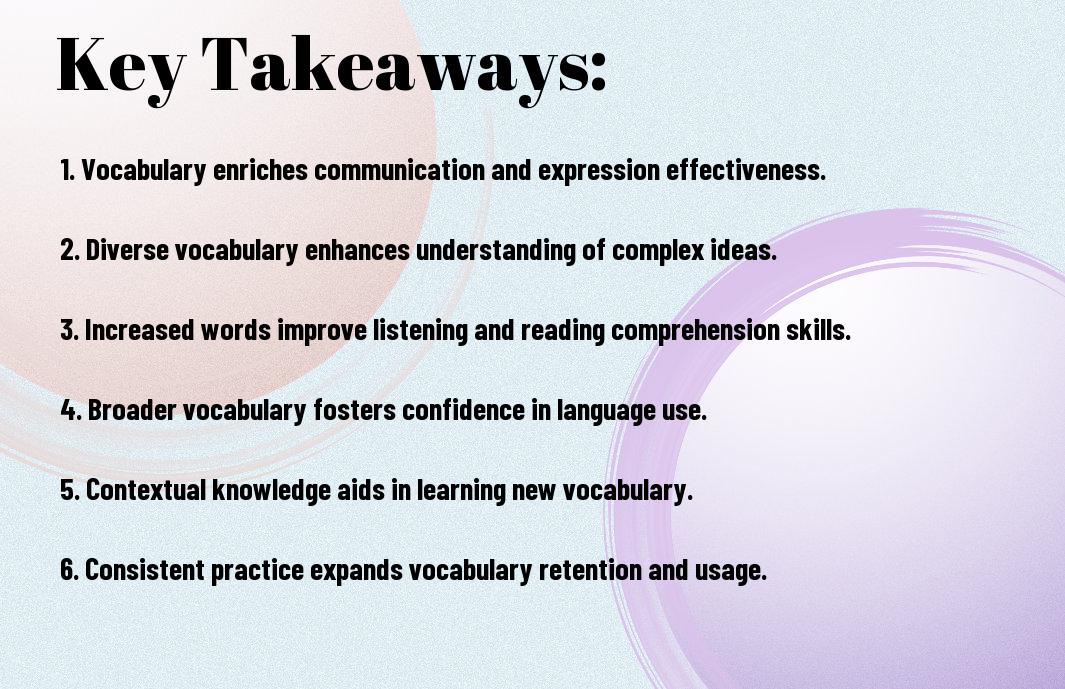
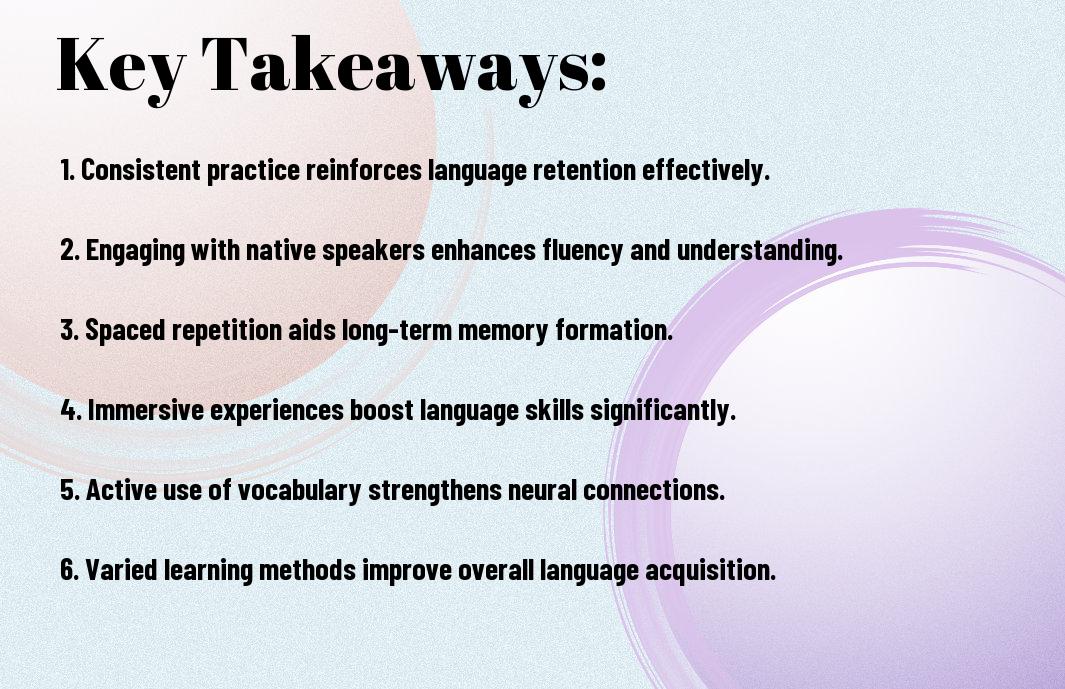
  • The consolidation of language knowledge is a gradual process that involves the transformation of information from short-term to long-term memory, and repetition plays a significant role in this process.
  • Spaced repetition is an effective technique for retaining language knowledge, as it involves reviewing material at increasingly longer intervals to help solidify it in long-term memory and prevent forgetting.
  • Active recall is a powerful method for reinforcing language knowledge, as it involves actively engaging with the material, such as through quizzing or summarizing, rather than simply passively re-reading it, to strengthen retention and improve fluency.

Language Acquisition

Your ability to acquire a new language is a complex process that involves multiple factors, including your motivation, learning style, and exposure to the language.

The Process of Learning

Beneath the surface of language acquisition lies a intricate process of learning, where you absorb and process new information, and gradually build your language skills.

Factors Affecting Language Retention

Around the time you start learning a new language, several factors come into play, including:

  • your learning environment
  • the quality of instruction

, Any of these factors can significantly impact your ability to retain language knowledge.

Acquisition of a new language is influenced by various factors, including:

  • your prior knowledge of languages
  • the similarity between your native language and the new language

, Any of these factors can affect the speed and ease of language acquisition, and you should be aware of them to maximize your learning potential.
Memory and Language

Some of the most significant factors in retaining language knowledge are tied to your brain’s ability to store and recall information. Your memory plays a vital role in learning and retaining new vocabulary, grammar, and language rules.

The Role of Memory in Language Retention

One key aspect of language retention is your brain’s capacity to associate new information with existing knowledge, making it easier for you to recall and use your new language skills.

Strategies for Improving Memory

Any effort you put into developing effective memory strategies will greatly benefit your language learning journey, enabling you to absorb and apply new language knowledge more efficiently.

Memory strategies such as repetition, spaced repetition, and active recall can help you reinforce your language skills and commit them to long-term memory, allowing you to access and use them when needed, and as you continue to practice and build on your skills, you will find that your ability to retain language knowledge improves significantly, enabling you to communicate more effectively in your target language.

Practice and Repetition

Despite the initial excitement of learning a new language, retaining language knowledge requires consistent effort. You will need to practice regularly to solidify your understanding and prevent forgetting.

The Importance of Practice in Language Retention

Beneath the surface of language learning lies the foundation of practice, which helps you build a strong grasp of the language. You will find that consistent practice enables your brain to absorb and process new information more efficiently.

Effective Practice Techniques

By incorporating variety into your practice routine, you can stay engaged and motivated. You can try different activities such as speaking, writing, and listening to improve your language skills.

At the heart of effective practice techniques is the ability to tailor your approach to your individual needs. You can experiment with different methods, such as spaced repetition, flashcards, or language exchange programs, to find what works best for you and optimize your practice sessions to achieve your language goals.

Language Exposure

All individuals learns a language through exposure, and as you continue to learn, your brain absorbs and processes the new information. According to Cognitive scientists define critical period for learning language, the timing of this exposure can affect your ability to retain language knowledge.

The Impact of Language Exposure on Retention

Around the time you start learning a language, you are most receptive to new information, and the amount of exposure you get can significantly impact your retention rate, as your brain starts to solidify the new language patterns.

Ways to Increase Language Exposure

Against the backdrop of your busy schedule, finding ways to increase your language exposure is vital, and you can start by listening to music, watching TV shows, or speaking with native speakers in your target language.

Due to the abundance of language learning resources available, you can easily find what works best for you, whether it’s language learning apps, podcasts, or online courses, and as you consistently expose yourself to the language, you’ll see an improvement in your retention and overall language proficiency, allowing you to become a more confident language user.

Individual Differences

Now, when it comes to retaining language knowledge, you’ll find that individual differences play a significant role. Your ability to learn and retain a language is influenced by various factors, including your learning style, personality traits, and cognitive abilities.

Learning Styles and Language Retention

Among the factors that affect your language retention, learning styles are an important consideration. You may find that you learn best through visual, auditory, or kinesthetic methods, and understanding your preferred learning style can help you develop strategies to improve your language retention.

Personality Traits and Language Learning

Behind your ability to learn a language, personality traits such as motivation, anxiety, and self-discipline can have a significant impact. You may notice that your personality traits influence your approach to language learning, and being aware of these traits can help you tailor your learning approach to your individual needs.

Individual differences in personality traits can significantly impact your language learning journey. You may find that you are more motivated to learn a language due to your personality traits, such as being open to new experiences or enjoying social interactions. As you become more aware of your personality traits, you can use this knowledge to develop a personalized learning approach that leverages your strengths and addresses your weaknesses, ultimately enhancing your ability to retain language knowledge.

Technology and Language Learning

Not surprisingly, technology plays a significant role in language learning, offering you various tools and resources to enhance your language skills.

The Role of Technology in Language Retention

Around the time you start learning a new language, you’ll find that technology helps you stay on track, providing interactive lessons and exercises to reinforce your learning.

Effective Language Learning Apps and Tools

Applications like language learning platforms and mobile apps are designed to help you learn and practice a new language, giving you access to a wealth of resources and materials to support your learning journey.

It is crucial to explore different options to find the tools that work best for you, as you can choose from a variety of apps and platforms that cater to your learning style and goals, helping you to effectively retain language knowledge and achieve fluency.

To wrap up

With this in mind, you now understand the key elements that facilitate your language knowledge retention. You can apply these principles to your learning routine, maximizing your ability to retain new language skills. By incorporating effective strategies, you will be able to reinforce your understanding and maintain your proficiency over time, ensuring that your language knowledge endures and your communication skills continue to improve, helping you to achieve your goals. Your dedication will yield lasting results.

FAQ

Q: What is the most effective way to retain language knowledge over a long period of time?

A: The most effective way to retain language knowledge is through consistent practice and exposure. This can be achieved by setting aside time each day to engage in language-related activities such as reading, writing, listening, and speaking. Additionally, using flashcards, language learning apps, and participating in conversations with native speakers can help reinforce language skills and prevent forgetting. It’s also important to review and practice language regularly, even if it’s just for a few minutes a day, to keep the language fresh in your mind.

Q: How does the brain process and store language information, and what can be done to optimize this process?

A: The brain processes and stores language information in a complex network of neurons and synapses. When learning a new language, the brain creates new connections between these neurons, which can be strengthened through practice and repetition. To optimize this process, it’s helpful to break down language into smaller chunks, such as grammar rules and vocabulary, and to practice each component separately before combining them. Additionally, using mnemonic devices, such as associations and visualizations, can help to encode language information in a more meaningful way, making it easier to retrieve later. Getting enough sleep and reducing stress can also help to consolidate language information in long-term memory.

Q: Can language knowledge be retained through passive exposure, such as watching TV shows or listening to music in the target language, or is active practice necessary?

A: While passive exposure to a language, such as watching TV shows or listening to music, can help to improve listening and comprehension skills, it is not enough on its own to retain language knowledge. Active practice, such as speaking, writing, and engaging in conversations, is necessary to reinforce language skills and prevent forgetting. Passive exposure can be a helpful supplement to active practice, but it should not replace it. Additionally, actively engaging with the language, such as by summarizing what you’ve heard or read, or responding to questions and prompts, can help to deepen your understanding and retention of the language. A combination of both passive exposure and active practice is likely to be the most effective way to retain language knowledge.

How to Learn a Language Faster with Mnemonics

As you initiate on your language learning journey, you’ll discover that retaining new vocabulary and grammar rules can be a challenge. Your ability to learn a language quickly depends on your capacity to associate new information with something familiar. You can significantly accelerate your learning process by utilizing mnemonics, a powerful tool that helps you connect new words and phrases to your existing knowledge, making it easier to recall them later, and you will learn how to do it in this post.

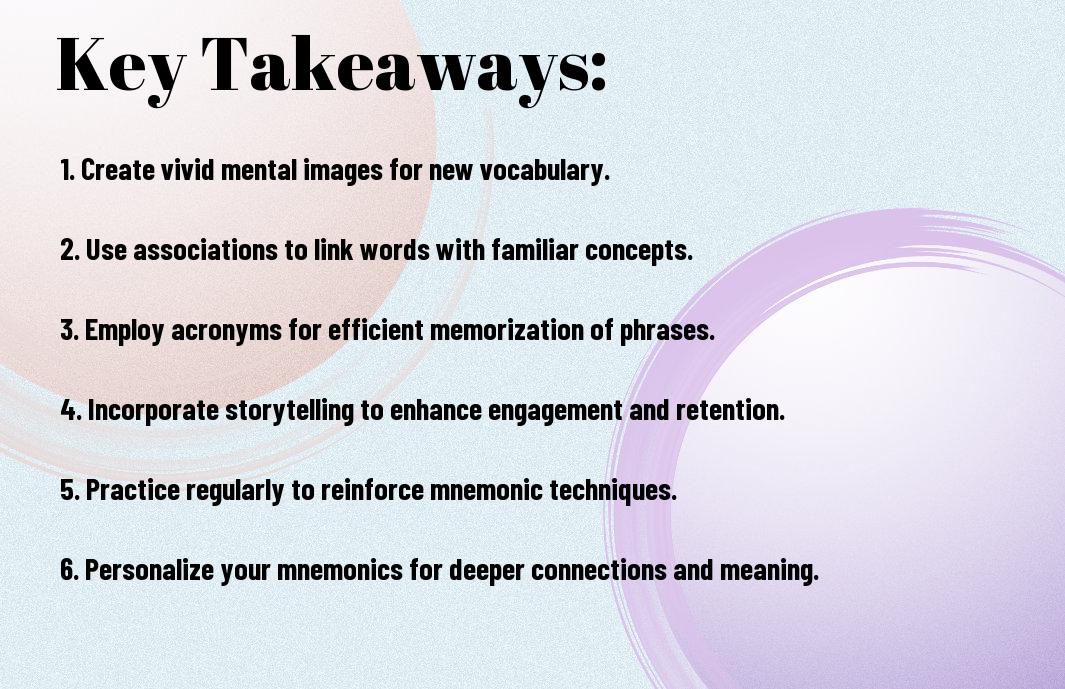
Key Takeaways:

  • Using mnemonic devices can significantly improve your ability to learn a language faster by associating new vocabulary with visual images or rhyming phrases that help you decode and encode information more efficiently.
  • Creating mental connections between new words and personal experiences or emotional events can enhance your retention and recall of the language, making the learning process more engaging and effective.
  • Implementing spaced repetition techniques with mnemonics can further boost your language learning progress by optimizing the review schedule and helping you focus on the most challenging vocabulary and grammar rules.

    Introduction to Language Learning with Mnemonics

    While learning a language can be a challenging task, using mnemonics can make it more efficient and enjoyable. You can create associations between new words and your existing knowledge to aid in recall. This technique enhances your ability to learn and retain new information, making your language learning journey more effective.

    subsection: The Power of Mnemonics in Language Learning

    About the time you start using mnemonics, you’ll notice a significant improvement in your language learning process. You can link new vocabulary to personal experiences, making it easier for you to recall words and phrases. This technique allows you to tap into your creative potential, making learning more engaging and fun.

    subsection: Benefits of Using Mnemonics for Language Acquisition

    On the subject of language acquisition, using mnemonics offers numerous benefits. You can improve your retention rates, reduce study time, and increase your confidence in using the target language. As you progress, you’ll find that mnemonics help you to internalize grammar rules and vocabulary more effectively.

    Also, as you continue to use mnemonics in your language learning, you’ll discover that it enhances your ability to think creatively and make connections between different pieces of information. You’ll be able to apply this skill to various aspects of language learning, such as pronunciation, reading comprehension, and conversation. By incorporating mnemonics into your study routine, you’ll be able to learn a language faster and more efficiently, achieving your goals in a shorter amount of time.

    Introduction to Mnemonics

    Any language learner can benefit from using mnemonics to improve their skills. You can use mnemonics to associate new words with something you already know, making it easier to learn and retain new information.

    subsection: Creating Effective Mnemonics for Vocabulary

    Vocabularily building is a key part of language learning, and you can create mnemonics to help you learn new words by associating them with a word or phrase in your native language.

    subsection: Using Associations and Visualizations

    Efficiently using associations and visualizations can help you create powerful mnemonics that stick in your mind, allowing you to recall new vocabulary and grammar rules with ease, as you practice using them to learn new language skills.

    This technique involves using vivid mental images to associate with new words or phrases, helping you to create a lasting connection in your mind, and as you practice using associations and visualizations, you will find that your ability to learn and retain new language information improves dramatically, allowing you to become proficient in the language you are learning.

    Learning with Mnemonics

    Many language learners have discovered that mnemonics can significantly improve their learning speed and retention. You can use mnemonics to associate new words with memories, making them easier to recall. By applying mnemonics to your language learning, you can enhance your vocabulary and comprehension.

    Practical Tips for Implementing Mnemonics in Daily Study

    Along with other study techniques, you can use mnemonics to aid your learning. Here are some tips:

    • Create mental images to Associate with new words

    Thou can improve your language skills by incorporating mnemonics into your daily study routine, making it more engaging and effective for you.

    Incorporating Mnemonics into Language Learning Routines

    Linguistically, you can use mnemonics to connect new language concepts to your existing knowledge. You can create flashcards or concept maps to visualize relationships between words and ideas, making it easier for you to learn and apply them in context.

    The key to successfully incorporating mnemonics into your language learning routine is to make them a consistent part of your study practice. You can start by identifying areas where you struggle the most, such as vocabulary or grammar, and creating mnemonics to help you overcome those challenges. As you continue to use mnemonics, you will find that your ability to learn and retain new language information improves, allowing you to progress faster in your language learning journey.

    Introduction to Mnemonics

    All language learners can benefit from using mnemonics to improve their skills. You can use associations, acronyms, and rhymes to help you learn and retain new vocabulary and grammar rules. This technique can be applied to any language, making it a valuable tool for your language learning journey.

    Overcoming Common Challenges with Mnemonics

    Above all, mnemonics can help you overcome common challenges such as forgetting new words or phrases. You can create mental associations to link new information to something you already know, making it easier to recall.

    Staying Motivated and Consistent

    On top of using mnemonics, you need to stay motivated and consistent in your practice. You can set achievable goals and track your progress to help you stay on track and see the results of your efforts.

    Indeed, staying motivated and consistent is key to seeing progress in your language learning. You can use mnemonics to make your practice sessions more engaging and fun, which will help you stay motivated to continue learning and improving your skills. You will be able to see the results of your efforts and feel a sense of accomplishment, which will keep you motivated to keep going.

    Mnemonics Fundamentals

    Unlike traditional learning methods, mnemonics can significantly accelerate your language learning journey. To understand how, you can visit What are mnemonics? And how to use mental techniques to learn a language for more insights.

    subsection: Advanced Techniques for Mnemonic Mastery

    Among the various strategies, you can use the following:

    1. Chain method
    2. Loci method
    Technique Description
    Chain method Associating words in a story
    Loci method Visualizing locations

    subsection: Exploring Different Types of Mnemonics

    About the types of mnemonics, you have:

    • Acronyms
    • Rhymes
    Type Example
    Acronyms ROY G BIV for colors
    Rhymes Thirty days hath September
    Chain method Associating words
    Loci method Visualizing locations
    Mind palace Imagining a familiar place

    Knowing the different types will help you choose the best one for your learning style.

    Also, as you explore mnemonics, you’ll find:

    • Acoustic mnemonics
    • Visual mnemonics
    Type Description
    Acoustic Using sound associations
    Visual Using image associations
    Kinesthetic Using physical associations
    Semantic Using meaning associations
    Mixed Combining multiple types

    Knowing these variations will enhance your ability to learn a language faster with mnemonics.

    Effective Mnemonic Techniques

    After understanding the basics of mnemonics, you can start applying them to your language learning journey, leveraging associations, acronyms, and visualizations to boost your memory and retention.

    subsection: Integrating Mnemonics with Other Language Learning Methods

    With careful planning, you can combine mnemonics with other language learning methods, such as flashcards, language apps, and conversation practice, to create a well-rounded learning approach that suits your needs and style.

    subsection: Maximizing Retention and Recall

    Similarly, sectioning your study sessions into manageable chunks and reviewing them regularly will help solidify new vocabulary and grammar rules in your long-term memory, making it easier to recall them when needed.

    In fact, as you practice using mnemonics to learn a language, you’ll find that your brain becomes more adept at creating connections between new and existing knowledge, allowing you to absorb and apply new information more efficiently, and ultimately, helping you to become a more proficient language learner.

    To wrap up

    So, you now have the tools to learn a language faster with mnemonics. You can apply these techniques to your language learning journey, enhancing your ability to absorb and retain new information. By using mnemonics, you will be able to improve your vocabulary and grammar skills, making your language learning process more efficient and effective. You will see significant progress in your language skills, and your efforts will be rewarded with improved communication abilities.

    FAQ

    Q: What is the most effective way to use mnemonics for language learning?

    A: The most effective way to use mnemonics for language learning is to create associations between new vocabulary words and something you already know, such as a word in your native language, a personal experience, or a visual image. For example, if you’re trying to learn the French word “pomme” (apple), you could imagine a pom-pom on an apple tree. The more outrageous and personalized the association, the better it will stick in your long-term memory. Consistency is key, so try to set aside time each day to practice using mnemonics to learn new vocabulary.

    Q: Can mnemonics be used for learning grammar rules in a foreign language?

    A: Yes, mnemonics can be a powerful tool for learning grammar rules in a foreign language. One technique is to create acronyms or rhymes that help you recall key grammar rules. For instance, you could use the acronym “DDS” to recall the sentence structure for the present tense in Spanish: “Debe” (subject), “Dominio” (verb), and “Sujeto” (object). Another approach is to visualize a diagram or chart that illustrates the grammar rule, such as a flowchart for verb conjugation. By using mnemonics to encode grammar rules, you can reduce your reliance on rote memorization and develop a deeper understanding of the language.

    Q: How can I use mnemonics to improve my pronunciation in a foreign language?

    A: Mnemonics can be used to improve your pronunciation in a foreign language by creating associations between the sounds and intonation patterns of the language and your own physical sensations or visualizations. For example, if you’re trying to learn the correct pronunciation of a vowel sound, you could associate it with a specific facial expression or mouth position. Another technique is to use music or rhythm to help you internalize the intonation patterns of the language. Try listening to native speakers and mimicking their intonation, or create your own rhymes or songs that encode the pronunciation patterns you want to practice. With consistent practice and review, you can use mnemonics to develop more accurate and natural-sounding pronunciation in your target language.

The Role of Vocabulary Expansion in Language Fluency

As you strive to improve your language skills, you’ll find that expanding your vocabulary is crucial to achieving fluency. Your ability to express yourself effectively depends on the words at your disposal. Research, such as the study on Effects of Language Skills and Strategy Use on Vocabulary Acquisition, highlights the significance of vocabulary in language learning. By broadening your vocabulary, you’ll enhance your overall language proficiency and be able to communicate more confidently.

Key Takeaways:

To achieve language fluency, vocabulary expansion plays a significant role. Here are some key points to consider:

  • Expanding vocabulary helps to improve communication skills, enabling individuals to express themselves more effectively and accurately convey their thoughts and ideas.
  • Contextual learning is crucial for vocabulary expansion, as it allows individuals to understand how words are used in different situations and develop a deeper understanding of linguistic nuances.
  • Consistent practice and exposure to various language sources, such as books, media, and conversations, can help individuals develop a more extensive vocabulary range and enhance their overall language proficiency.

Foundations of Language Fluency

To establish a strong command of a language, you need to understand the significance of vocabulary expansion. As you explore into the world of language learning, you will discover that vocabulary plays a vital role in your journey, and you can find more information on Why Vocabulary Matters in Language Learning to improve your skills.

The Importance of Vocabulary

Fluently, you will notice that a robust vocabulary is vital for effective communication, enabling you to express your thoughts and ideas with clarity and precision, which in turn will enhance your overall language proficiency.

Language Acquisition and Development

Against the backdrop of language learning, you will encounter various challenges, but developing a strong vocabulary will help you overcome them, and as you progress, you will find that your language skills improve significantly.

Considering your language learning goals, you should focus on acquiring new words and phrases, practicing them in context, and reviewing them regularly to reinforce your learning, and you will see that your language acquisition and development will become more effortless and natural, allowing you to communicate more confidently and accurately in your target language.

Vocabulary Expansion Techniques

The key to improving your language fluency lies in expanding your vocabulary, and there are several techniques to achieve this. You can use flashcards, vocabulary apps, and language learning software to learn new words and phrases.

Reading and Exposure

Prior to developing a strong vocabulary, you need to expose yourself to various texts, such as books, articles, and news. You will encounter new words and phrases, which will help you understand their context and usage.

Practice and Reinforcement

Between learning new words and using them in conversation, you need to practice consistently. You can practice by speaking with native speakers, writing journal entries, or using language exchange websites.

A significant aspect of practice and reinforcement is to use your new vocabulary in context. As you try to use the words and phrases you have learned, you will find that your language skills improve dramatically, and you will become more confident in your ability to express yourself effectively. You will be able to convey your thoughts and ideas with precision, and your communication will become more nuanced and sophisticated.

Effective Strategies for Vocabulary Building

Keep in mind that expanding your vocabulary is an ongoing process that requires consistent practice and dedication. You will need to incorporate various techniques into your daily routine to achieve language fluency.

Contextual Learning

Around you, there are numerous opportunities to learn new words in context, such as reading books, watching movies, or engaging in conversations with native speakers, which will help you understand how to use vocabulary in different situations.

Active Recall and Review

Revisiting previously learned vocabulary on a regular basis is vital to reinforce your understanding and retention of new words, allowing you to apply them more effectively in your communication.

Effective use of active recall and review involves setting aside time to regularly test yourself on newly acquired vocabulary, using flashcards or quizzes to assess your knowledge, and identifying areas where you need additional practice, enabling you to refine your skills and develop a more sophisticated command of language, as you progress towards achieving your goal of language fluency.

Overcoming Language Barriers

Not being able to communicate effectively in a foreign language can be frustrating. You may struggle to express your thoughts and ideas, leading to feelings of isolation. However, with vocabulary expansion, you can overcome language barriers and enhance your language fluency.

Language Immersion and Surroundings

Among the most effective ways to learn a language is to surround yourself with it. You can do this by watching TV shows or movies, listening to music, and speaking with native speakers. This immersion will help you pick up new vocabulary and phrases, making you more fluent in the language.

Technology and Language Tools

Any language learner can benefit from the numerous tools and resources available online. You can use apps, language learning software, and online courses to improve your vocabulary and language skills. These tools can be accessed from anywhere, making it easier for you to learn a language at your own pace.

Immersion through technology can be a powerful way to learn a language. You can use virtual reality to practice conversations, play language learning games, and engage with native speakers online. As you explore these tools, you will find that your vocabulary expands, and your language fluency improves, allowing you to communicate more effectively in the language you are learning.

Measuring Language Fluency

Despite the complexity of language fluency, it can be measured through various assessments. You will find that language proficiency tests, such as TOEFL or IELTS, evaluate your reading, writing, speaking, and listening skills.

Assessment and Evaluation

Across different linguistic backgrounds, you will encounter various evaluation methods. You can assess your language skills through self-assessment, peer review, or standardized tests, which help identify areas for improvement.

Progress Tracking and Adjustment

Alteration of your learning strategy is necessary as you track your progress. You will adjust your approach based on your performance, focusing on areas where you need improvement, and this helps you refine your language skills over time.

Measuring your progress in language fluency involves tracking your performance over time, and you will use this information to refine your learning strategy. As you monitor your development, you can identify patterns and trends, allowing you to make informed decisions about your language learning approach, and you will find that this leads to more effective language acquisition.

Implementing Vocabulary Expansion in Education

Your approach to implementing vocabulary expansion in education should be multifaceted, involving various strategies to enhance language learning. This can be achieved through a combination of curriculum design, teacher training, and support, ultimately leading to improved language fluency.

Curriculum Design and Planning

The development of a well-structured curriculum is important for effective vocabulary expansion. You will need to consider the needs and abilities of your students, incorporating a range of vocabulary-building activities and materials into your lesson plans.

Teacher Training and Support

By providing teachers with the necessary training and resources, you can ensure that they are equipped to deliver high-quality vocabulary instruction. This enables them to create an engaging and supportive learning environment, fostering students’ language development.

With comprehensive training, you will be better positioned to assess your students’ progress, identifying areas where they may require additional support. This allows you to tailor your teaching approach to meet the unique needs of your students, ultimately enhancing their vocabulary expansion and language fluency. As you implement these strategies, you will be able to observe significant improvements in your students’ ability to communicate effectively.

Conclusion

Taking this into account, you will find that vocabulary expansion plays a significant role in enhancing your language fluency. As you continue to learn and practice, your ability to express yourself effectively improves. Your comprehension and communication skills become more refined, allowing you to engage in complex conversations with ease. By prioritizing vocabulary expansion, you can take your language skills to the next level and become a more confident communicator.

FAQ

Q: What is the significance of vocabulary expansion in achieving language fluency?

A: Vocabulary expansion plays a vital role in language fluency as it enables individuals to express themselves more effectively and accurately. A broader vocabulary range allows learners to understand and convey complex ideas, nuances, and subtleties of the language, thereby enhancing their overall communication skills. As vocabulary grows, so does the ability to engage in more sophisticated conversations, comprehend various texts, and articulate thoughts with precision.

Q: How does vocabulary expansion impact reading comprehension and writing skills in language learning?

A: The impact of vocabulary expansion on reading comprehension and writing skills is profound. When learners have a larger vocabulary, they are better equipped to decipher unfamiliar words from context, deduce meaning, and grasp the overall message of a text. This, in turn, improves reading comprehension. Similarly, in writing, an expanded vocabulary allows for more varied and precise expression of ideas, leading to clearer, more engaging, and articulate writing. It also enables the use of more complex sentence structures and the conveyance of subtle shades of meaning, significantly enhancing writing skills.

Q: What strategies can language learners employ to effectively expand their vocabulary?

A: Language learners can employ several strategies to expand their vocabulary effectively. One of the most effective methods is through extensive reading, where learners are exposed to new words in context. Keeping a vocabulary notebook to jot down new words and their meanings is also highly beneficial. Engaging in conversations with native speakers, using flashcards, and learning prefixes, suffixes, and roots can also significantly aid in vocabulary expansion. Furthermore, learners can utilize online resources, vocabulary building apps, and play word games to make the process more engaging and fun, thereby accelerating their language learning journey.

How Learning a Language Strengthens Problem-Solving Skills

As you launch on the journey of learning a new language, you’re not only expanding your vocabulary, but also sharpening your mind. You’ll discover that acquiring a new language enhances your cognitive abilities, particularly in problem-solving. Research has shown that bilingual individuals possess a unique set of skills, and you can learn more about The Cognitive Benefits of Being Bilingual | St. Augustine to understand the connection between language and improved problem-solving capabilities, which will help you navigate complex situations with ease.

Key Takeaways:

To improve cognitive abilities, learning a language can be highly beneficial. Here are some key points to consider:

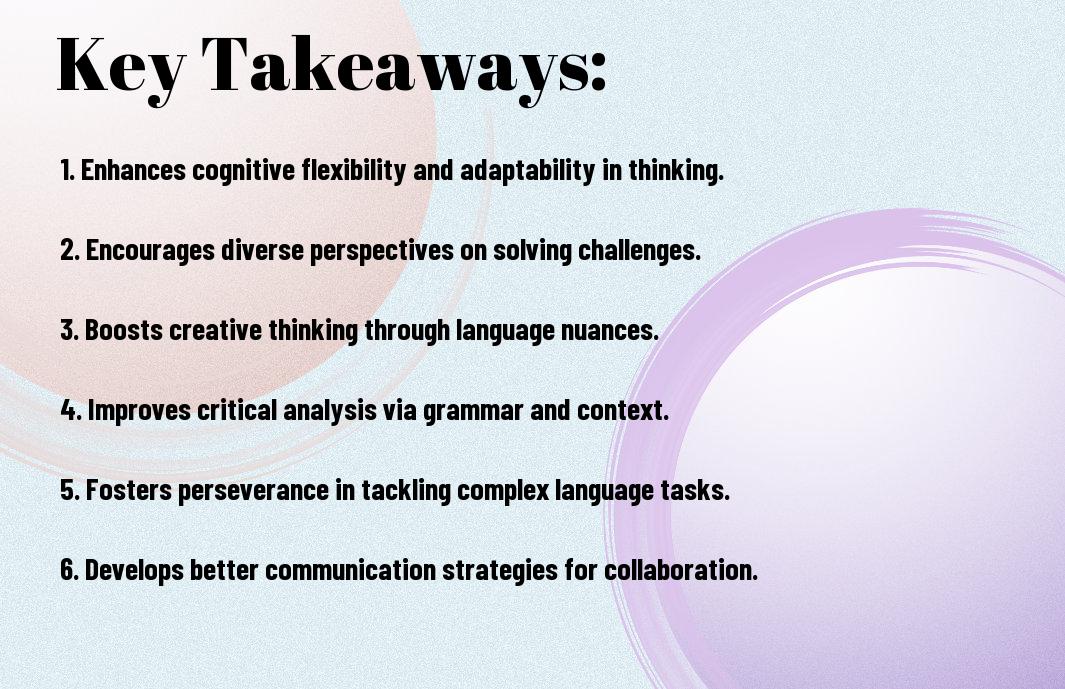
  • Learning a language enhances analytical skills, as it requires understanding and applying grammar rules, syntax, and vocabulary in context, which improves overall problem-solving capabilities.
  • Acquiring a new language develops creative thinking, as learners need to find alternative ways to express themselves and navigate unfamiliar linguistic structures, fostering innovative solutions to complex problems.
  • Multilingual individuals often exhibit improved adaptability and flexibility, as they are accustomed to switching between languages and navigating different cultural contexts, allowing them to approach problems from unique perspectives and find effective solutions.

    Developing Cognitive Skills

    To develop your cognitive skills, learning a language can be a highly effective way to strengthen your problem-solving abilities, as it challenges your brain and helps you think more critically and creatively.

    Enhancing Memory and Attention

    Enriching your mental capacities, you’ll find that learning a language improves your memory and attention, allowing you to focus on complex tasks and absorb new information more easily.

    Improving Analytical Thinking

    Between the lines of language learning, you’ll discover that your analytical thinking skills are sharpened, enabling you to break down complex problems into manageable parts and approach them from different angles.

    A key aspect of improving your analytical thinking through language learning is that you’ll become more adept at identifying patterns, making connections, and evaluating information, all of which are vital skills for effective problem-solving, and as you continue to learn and practice, you’ll find that your analytical thinking skills will become more refined, allowing you to tackle even the most challenging problems with confidence and precision.

    Language Learning and Problem-Solving

    Assuming you’re looking to improve your problem-solving skills, learning a language can be a valuable tool. As you navigate the complexities of a new language, you’ll develop your ability to think critically and approach problems from different angles.

    The Connection Between Language and Cognition

    On the surface, language learning may seem unrelated to problem-solving, but the two are closely linked. Your brain’s ability to process and understand language is closely tied to your cognitive abilities, and improving one can have a positive impact on the other.

    How Language Influences Thought Processes

    Any language you learn will influence the way you think and process information. As you become more proficient in a language, you’ll begin to see the world in a new light, and your thought processes will become more nuanced and complex.

    Hence, as you continue to learn and grow in your language abilities, you’ll find that your problem-solving skills are also improving. You’ll be able to approach problems with a fresh perspective, thinking more creatively and developing innovative solutions to complex challenges. Your brain will become more agile, able to adapt to new situations and think on your feet, making you a more effective problem-solver in all areas of your life.

    Effective Language Learning Strategies

    After dedicating yourself to learning a language, you’ll discover that it’s not just about memorizing rules and vocabulary, but about developing a deeper understanding of the language and its cultural context, which in turn enhances your problem-solving skills.

    Immersive Learning Techniques

    Around the globe, language learners are finding success with immersive techniques, such as surrounding yourself with the language, watching TV shows and movies, listening to music, and speaking with native speakers, all of which help you pick up nuances and rhythms of the language.

    Interactive Language Activities

    Leveraging interactive activities, you can engage with the language in a more dynamic way, using online resources, language exchange apps, and conversation practice to improve your speaking and listening skills, making the learning process more enjoyable and effective.

    Immersive language learning through interactive activities will draw you into a world of authentic communication, where you’ll find yourself navigating real-life scenarios, making decisions, and solving problems in the target language, which will sharpen your problem-solving skills and boost your confidence in using the language.

    Overcoming Challenges and Barriers

    Keep in mind that learning a language is a complex process, and you will encounter numerous challenges along the way. As you progress, your problem-solving skills will improve, enabling you to tackle obstacles more effectively.

    Managing Language Learning Obstacles

    Around the time you start learning a new language, you’ll face various obstacles, such as grammar rules and vocabulary. You’ll need to develop strategies to overcome these hurdles and stay motivated.

    Building Resilience and Persistence

    Unlike other skills, learning a language requires persistence and dedication. You’ll encounter setbacks, but it’s how you respond that matters, and you’ll develop resilience as you push through challenges.

    For instance, when you’re faced with a difficult grammatical concept, you might feel frustrated, but as you work through it, you’ll build confidence in your ability to solve problems. You’ll learn to approach challenges with a clear mind, breaking them down into manageable parts, and finding creative solutions, which will serve you well in all areas of your life.

    Real-World Applications

    Despite the many benefits of language learning, you may wonder how it applies to your everyday life. You’ll find that language skills strengthen your problem-solving abilities, making you a more adaptable and resourceful individual in various situations.

    Language in the Workplace and Education

    Oddly, your language skills will serve you well in professional and academic settings, enabling you to communicate effectively with colleagues, clients, or peers from diverse backgrounds, and to better understand complex concepts and ideas.

    Language and Cultural Exchange

    Applying your language skills to real-life interactions, you’ll discover new opportunities for cultural exchange, allowing you to engage with people from different walks of life and broaden your perspective on the world.

    But as you research deeper into language and cultural exchange, you’ll uncover a wealth of benefits, from forging meaningful connections with others to gaining a deeper understanding of their customs, traditions, and ways of thinking, ultimately enriching your personal and professional life in ways you never thought possible, and you’ll find that your problem-solving skills will become even more refined as you navigate these new cultural landscapes.

    Measuring Progress and Success

    Once again, you’ll find that tracking your progress is vital to understanding how learning a language improves your problem-solving skills. As you navigate the complexities of a new language, you’ll begin to notice enhancements in your cognitive abilities.

    Evaluating Language Proficiency

    Estimating your language skills is a vital part of the learning process, and you’ll want to assess your proficiency regularly to identify areas for improvement and gauge your growth.

    Assessing Problem-Solving Skills

    Succeeding in evaluating your problem-solving skills means you can see the direct impact of language learning on your cognitive abilities, and you’ll start to notice improvements in your approach to challenges.

    But as you examine deeper into assessing your problem-solving skills, you’ll discover that the benefits of language learning extend far beyond the language itself, influencing the way you think, analyze, and tackle complex problems in all areas of your life, making you a more adept and resourceful individual.

    Summing up

    From above, you’ve seen how learning a language can sharpen your mind. As you navigate unfamiliar grammar and vocabulary, you’re building your ability to tackle complex problems. You’re training your brain to think creatively and approach challenges from different angles. By doing so, you’re strengthening your problem-solving skills, making you a more effective and resourceful individual in all areas of your life, and opening doors to new experiences and opportunities that you never thought possible.

    FAQ

    Q: How does learning a new language enhance problem-solving skills?

    A: Learning a new language significantly enhances problem-solving skills by challenging the brain to adapt to new grammar rules, vocabulary, and pronunciation. This process improves cognitive flexibility, allowing individuals to approach problems from different angles and think more creatively. As learners navigate through the complexities of a new language, they develop a stronger ability to analyze, evaluate, and solve problems in various contexts.

    Q: What specific cognitive abilities are improved through language learning that contribute to better problem-solving?

    A: Language learning improves several cognitive abilities that are directly linked to enhanced problem-solving skills. These include improved memory, as learners must memorize new vocabulary and grammar rules; enhanced attention and concentration, as the process requires focusing on nuances in language; and better analytical thinking, as learners need to understand and apply complex grammar and syntax rules. Additionally, learning a language fosters metalinguistic awareness, enabling individuals to think about and manipulate language, which translates to a broader ability to approach and solve problems systematically.

    Q: Can the problem-solving skills developed through language learning be applied to other areas of life and professions?

    A: Yes, the problem-solving skills developed through language learning are highly transferable to other areas of life and various professions. The cognitive benefits of language acquisition, including improved critical thinking, enhanced creativity, and better analytical skills, can be applied to solve problems in fields such as business, science, technology, engineering, and mathematics (STEM), among others. Furthermore, the ability to navigate and understand different cultural contexts, which is inherent in language learning, can also enhance an individual’s ability to solve problems in multicultural and international settings, making them more versatile and valuable in a globalized world.

How to Avoid Burnout When Learning a Language

As you commence on your language learning journey, you’ll likely encounter moments of frustration and exhaustion. Your progress may slow, and you may feel like giving up. You’re not alone in this feeling – many language learners face burnout at some point. By recognizing the signs of burnout and taking proactive steps, you can maintain your motivation and continue making progress towards your language goals, ensuring a successful and enjoyable learning experience.

Key Takeaways:

To maintain a healthy and productive language learning journey, consider the following points:

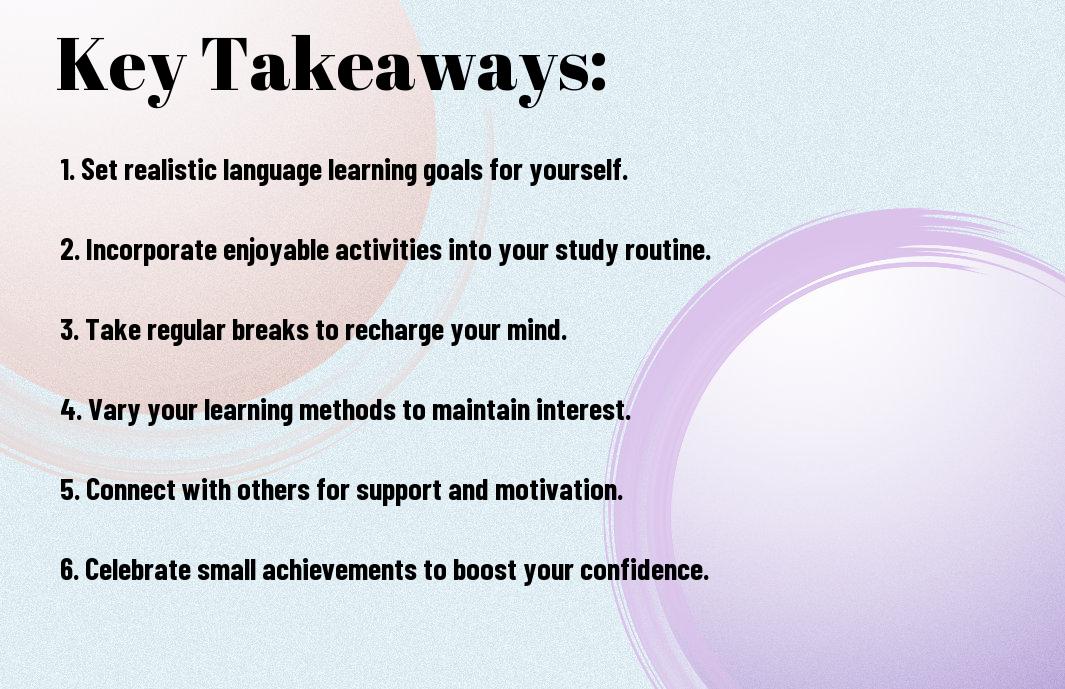
  • Set realistic goals and prioritize your tasks to avoid overwhelming yourself with too much information at once, allowing for a steady and manageable progress.
  • Establish a consistent routine that incorporates regular breaks and time for relaxation, helping to prevent mental exhaustion and maintain motivation.
  • Focus on enjoyable activities, such as reading, writing, or conversing with native speakers, which can make the learning process more engaging and reduce the risk of burnout.

Setting Realistic Goals

The key to avoiding burnout when learning a language is to set realistic goals. You need to understand your learning capacity and set achievable targets. This will help you stay motivated and focused on your language learning journey. By setting realistic goals, you can track your progress and make adjustments as needed.

Breaking Down Language Barriers

After overcoming the initial hurdles, you’ll find that learning a language becomes more manageable. You’ll start to notice improvements in your comprehension and communication skills, which will help you stay engaged and motivated. Your progress will be a significant confidence booster, encouraging you to continue learning.

Creating Achievable Milestones

Meanwhile, milestones serve as a roadmap for your language learning journey. You can break down your long-term goals into smaller, achievable milestones, making it easier to track your progress. This approach helps you stay focused on what you need to accomplish, allowing you to make steady progress towards your goals.

Hence, creating achievable milestones is an necessary part of the language learning process. You can start by identifying specific skills you want to develop, such as conversational fluency or reading comprehension. Then, you can set milestones based on these skills, allowing you to measure your progress and adjust your strategy as needed. By doing so, you’ll be able to stay motivated and engaged throughout your language learning journey.

Establishing a Learning Routine

It is imperative to create a schedule that allows you to make consistent progress in your language learning journey. By allocating a specific time slot each day or week, you can ensure that you stay on track and make steady progress.

Scheduling Language Practice

Between your daily tasks and activities, you need to find a balance that allows you to dedicate time to language practice. You should identify the most suitable time of the day that works best for your learning style and schedule it accordingly.

Prioritizing Consistency

Above all, maintaining a consistent learning routine is vital to avoiding burnout. You must prioritize your language learning goals and make sure that you stick to your schedule, even on weekends or days off.

A key aspect of prioritizing consistency is to set achievable goals and celebrate your progress along the way. As you track your progress, you will be motivated to continue learning and stay committed to your routine, which will help you avoid burnout and achieve your language learning objectives.

Mindfulness and Self-Care

Keep your mental and physical well-being in check by prioritizing mindfulness and self-care when learning a language. This helps you stay focused and motivated, reducing the risk of burnout.

Recognizing Burnout Signs

Burning out can be detrimental to your language learning progress, so it’s imperative to identify the signs, such as fatigue, anxiety, and lack of motivation, and take action to prevent them from taking over your learning journey.

Practicing Relaxation Techniques

Practicing mindfulness techniques, such as meditation and deep breathing, can help you manage stress and maintain a healthy work-life balance, allowing you to approach language learning with a clear and focused mind.

SelfCare is imperative when practicing relaxation techniques, as you need to listen to your body and mind, and take regular breaks to recharge and refocus, enabling you to make steady progress in your language learning journey, and you can try various techniques, such as yoga or progressive muscle relaxation, to find what works best for you.

Language Learning Strategies

To avoid burnout, it’s important to have effective language learning strategies in place. You can achieve this by setting realistic goals, tracking your progress, and staying consistent. By doing so, you’ll be able to maintain motivation and make steady progress in your language learning journey.

Immersive Techniques

With the help of technology, you can surround yourself with the language you’re learning, making it easier to pick up. You can listen to music, watch TV shows or movies, and even change your phone settings to the target language, allowing you to learn passively throughout the day.

Active Learning Methods

About the most effective ways to learn a language, you’ll find that active learning methods are at the top of the list. You can practice speaking with a language exchange partner, engage in writing exercises, or participate in conversations with native speakers, all of which will help you improve your language skills quickly.

Also, as you explore active learning methods, you’ll discover that they not only improve your language skills but also help you stay motivated and engaged. You can try out different methods to find what works best for you, whether it’s taking a class, using language learning apps, or participating in language learning communities, and adjust your approach as you progress in your journey.

Building a Support Network

Not having a support network can make language learning a solitary and daunting task. You can build a network by finding language exchange partners, joining language learning communities, and connecting with fellow learners who share your goals and interests.

Finding Language Exchange Partners

To take your language skills to the next level, you can find language exchange partners who can practice with you, provide feedback, and help you stay motivated. You can find them through language learning apps, social media, or local language meetups.

Joining Language Learning Communities

Before you start your language learning journey, you can join online communities, forums, or social media groups dedicated to language learning. You can connect with other learners, ask questions, and learn from their experiences.

Considering the benefits of joining language learning communities, you can explore different options, such as online forums, social media groups, or local meetups, to find the ones that suit your needs and preferences. You can participate in discussions, share your progress, and get feedback from others, which can help you stay motivated and accountable throughout your language learning journey.

Overcoming Obstacles

All language learners face obstacles, and it’s how you overcome them that matters. You can find helpful tips on dealing with burnout by visiting Overwhelmed? 5 Ways to Deal with Language Learning Burnout to help you stay on track.

Dealing with Frustration

Across the language learning journey, you will encounter setbacks, but acknowledging your emotions is key to moving forward. You can take a break, reassess your goals, and adjust your strategy to overcome frustration.

Staying Motivated

Above all, maintaining motivation is crucial to achieving your language learning goals. You can celebrate small victories, set achievable milestones, and find a language learning buddy to help stay motivated.

Considering your motivations and goals, you can develop a personalized plan to stay motivated and engaged throughout the language learning process. You can explore different learning materials, join online communities, and track your progress to maintain a positive and motivated mindset, helping you to overcome obstacles and achieve your goals.

Summing up

With this in mind, you can now take control of your language learning journey and avoid burnout. You have the tools to set realistic goals, prioritize self-care, and maintain a balance between practice and rest. By being mindful of your limitations and taking regular breaks, you can preserve your motivation and make steady progress in learning your target language, ultimately achieving your goals and enjoying the process. Your dedication and awareness will help you stay on track.

FAQ

Q: What are the signs of burnout when learning a language, and how can I identify them early on?

A: Burnout when learning a language can manifest in various ways, including a lack of motivation, decreased interest in activities related to the language, and physical symptoms such as headaches or fatigue. To identify these signs early, pay attention to your mental and physical state. If you find yourself consistently feeling overwhelmed, struggling to concentrate, or experiencing a significant decrease in your usual enthusiasm for language learning, it may be a sign of burnout. Recognizing these signs early allows you to take proactive steps to address the issue before it severely impacts your learning progress.

Q: How can setting realistic goals help in preventing burnout when learning a language?

A: Setting realistic goals is a significant factor in preventing burnout when learning a language. By having achievable targets, you can maintain a sense of accomplishment and progress, which helps in keeping your motivation levels high. Unrealistic expectations can lead to frustration and disappointment, which are precursors to burnout. Break down your language learning journey into smaller, manageable milestones. This approach will not only make your goals feel less daunting but also provide you with a clear roadmap to follow, ensuring that you stay focused and motivated without overexerting yourself.

Q: What role does taking regular breaks play in avoiding burnout during the language learning process?

A: Taking regular breaks is important for avoiding burnout during the language learning process. Continuous study without adequate rest can lead to mental exhaustion, decreased productivity, and a higher risk of burnout. Regular breaks allow your mind to rest and rejuvenate, which can improve your focus and retention when you return to studying. Additionally, breaks can be used to engage in activities unrelated to language learning, providing an opportunity to relax and reduce stress. Incorporating breaks into your study routine can help maintain a healthy balance between learning and rest, ultimately supporting a sustainable and effective language learning journey.

Skip to content